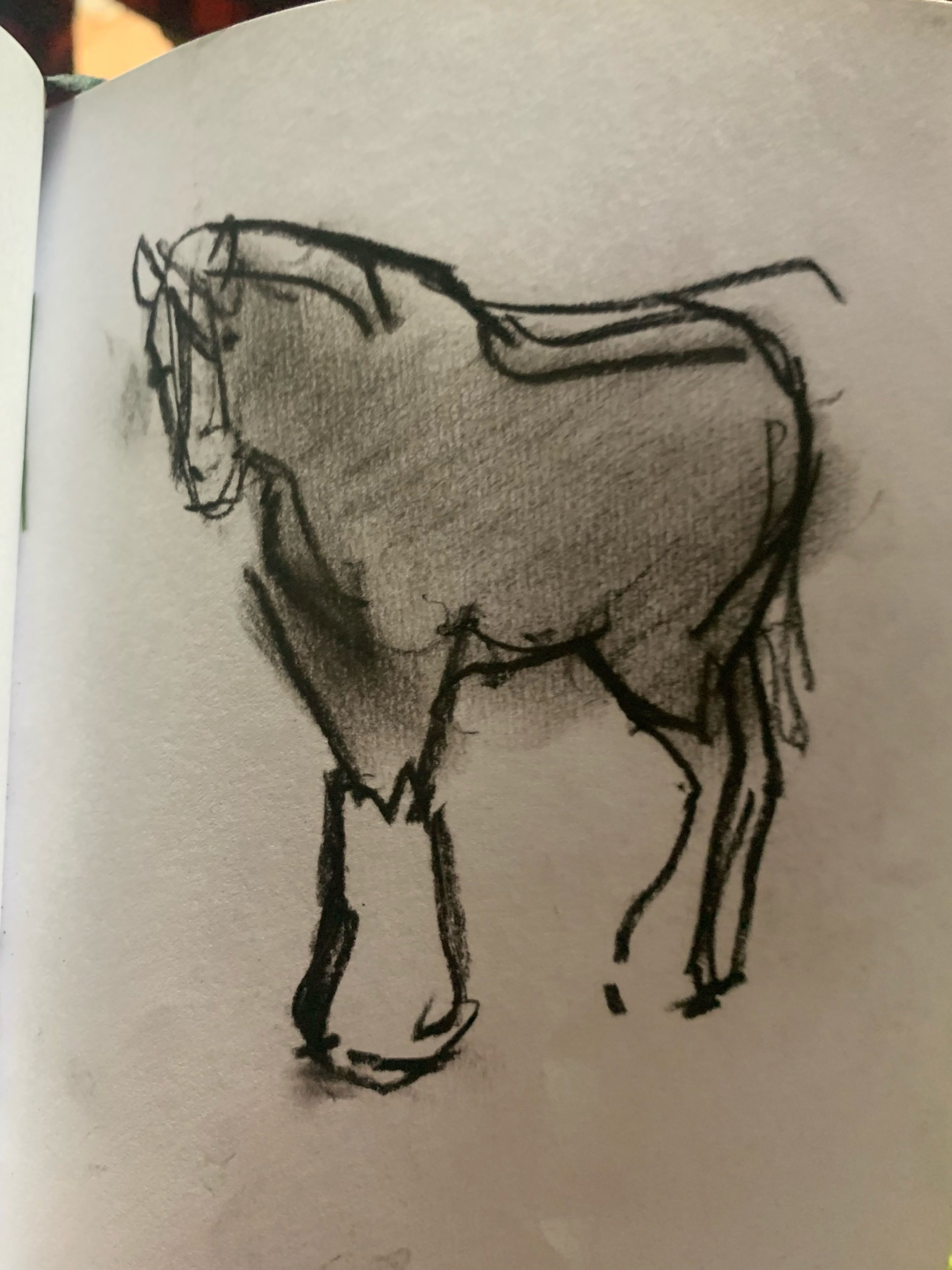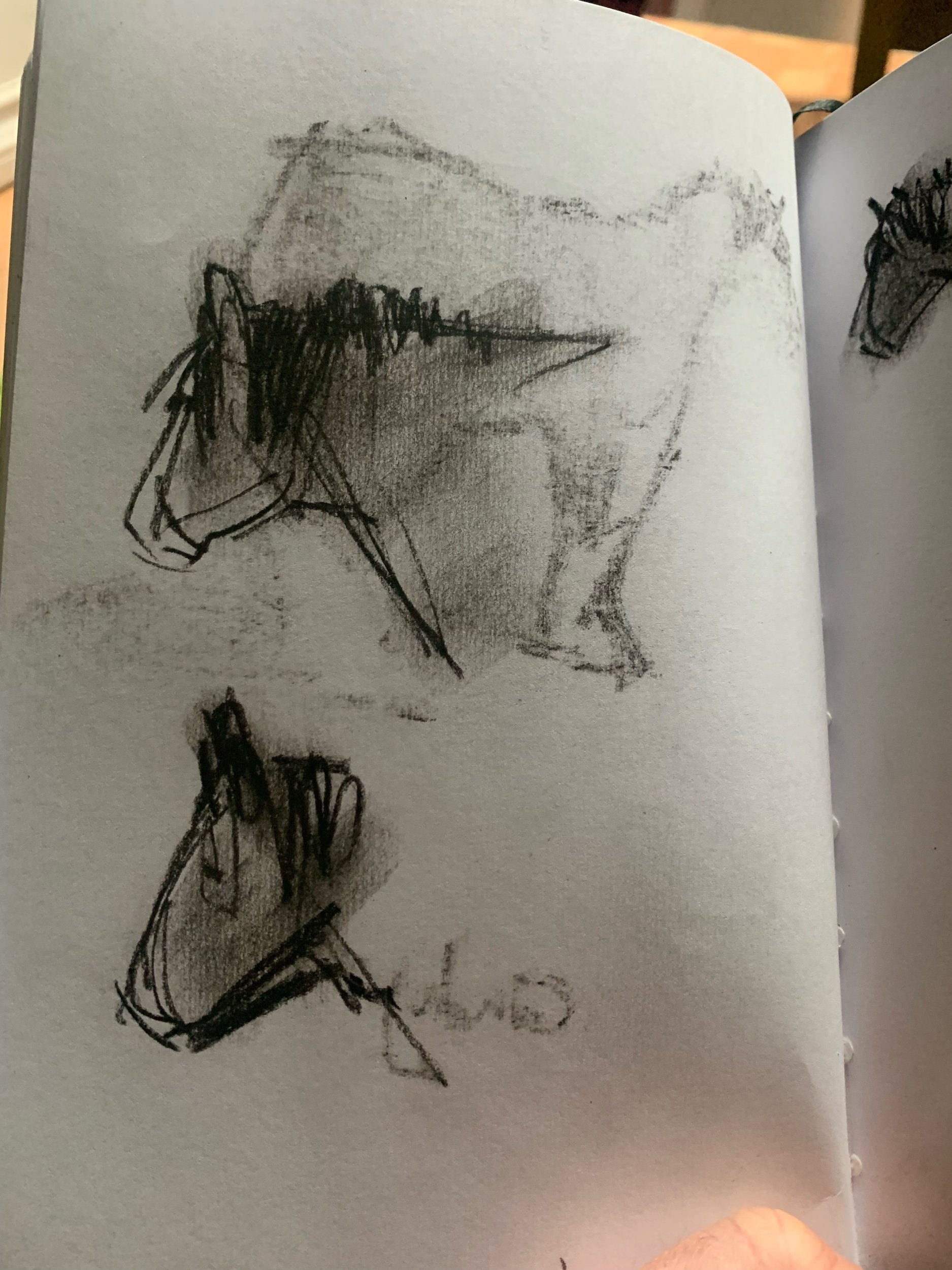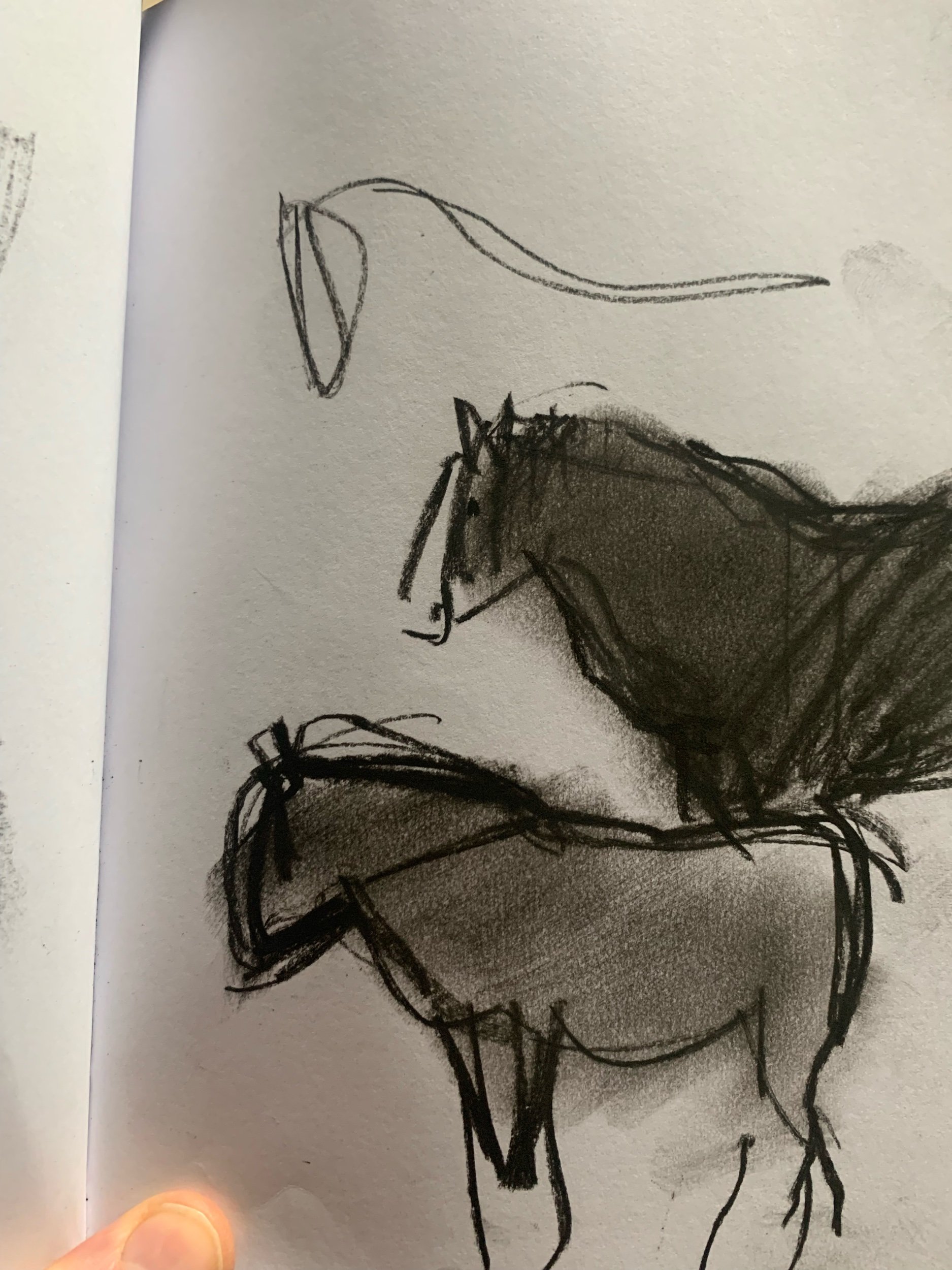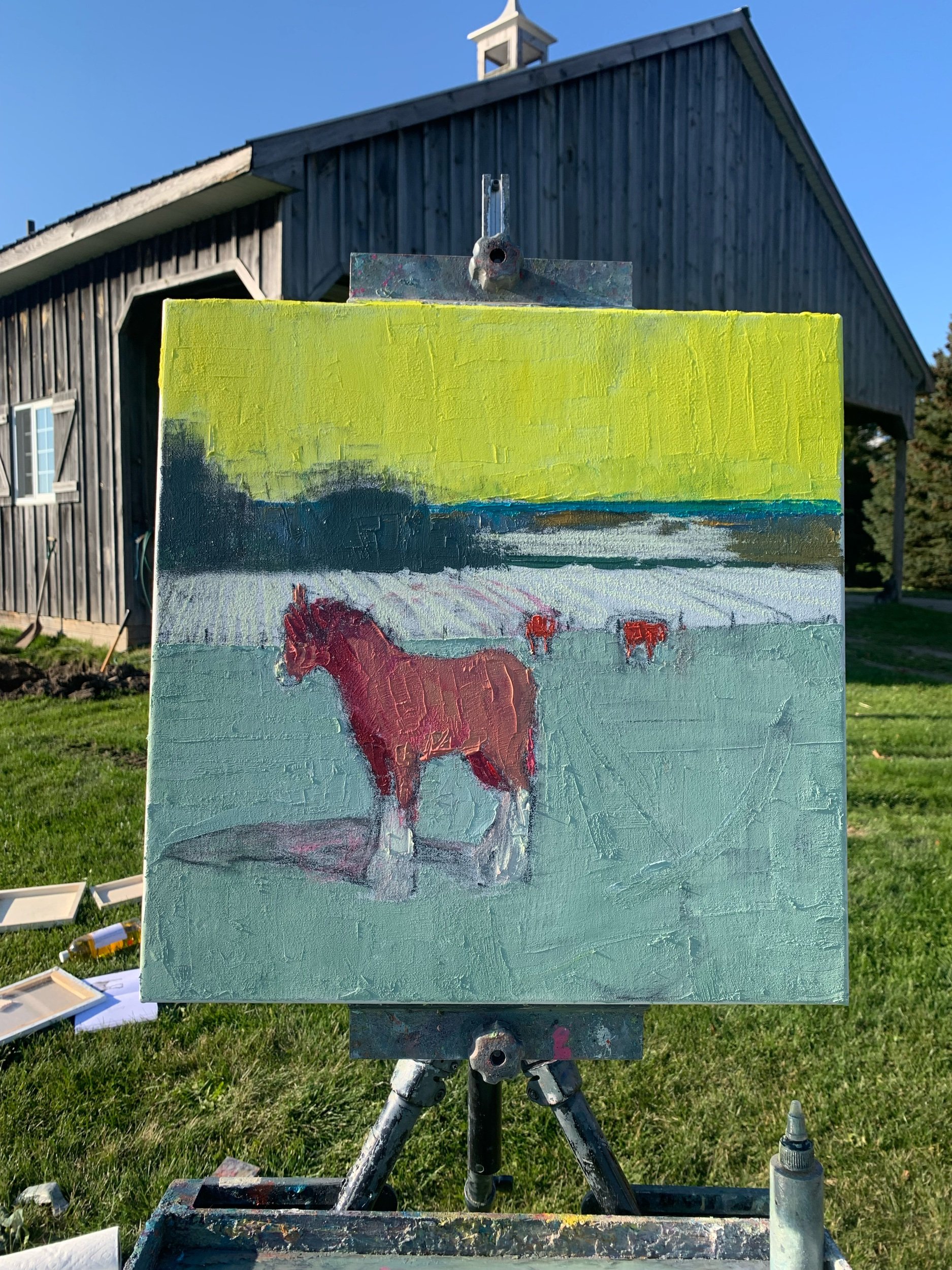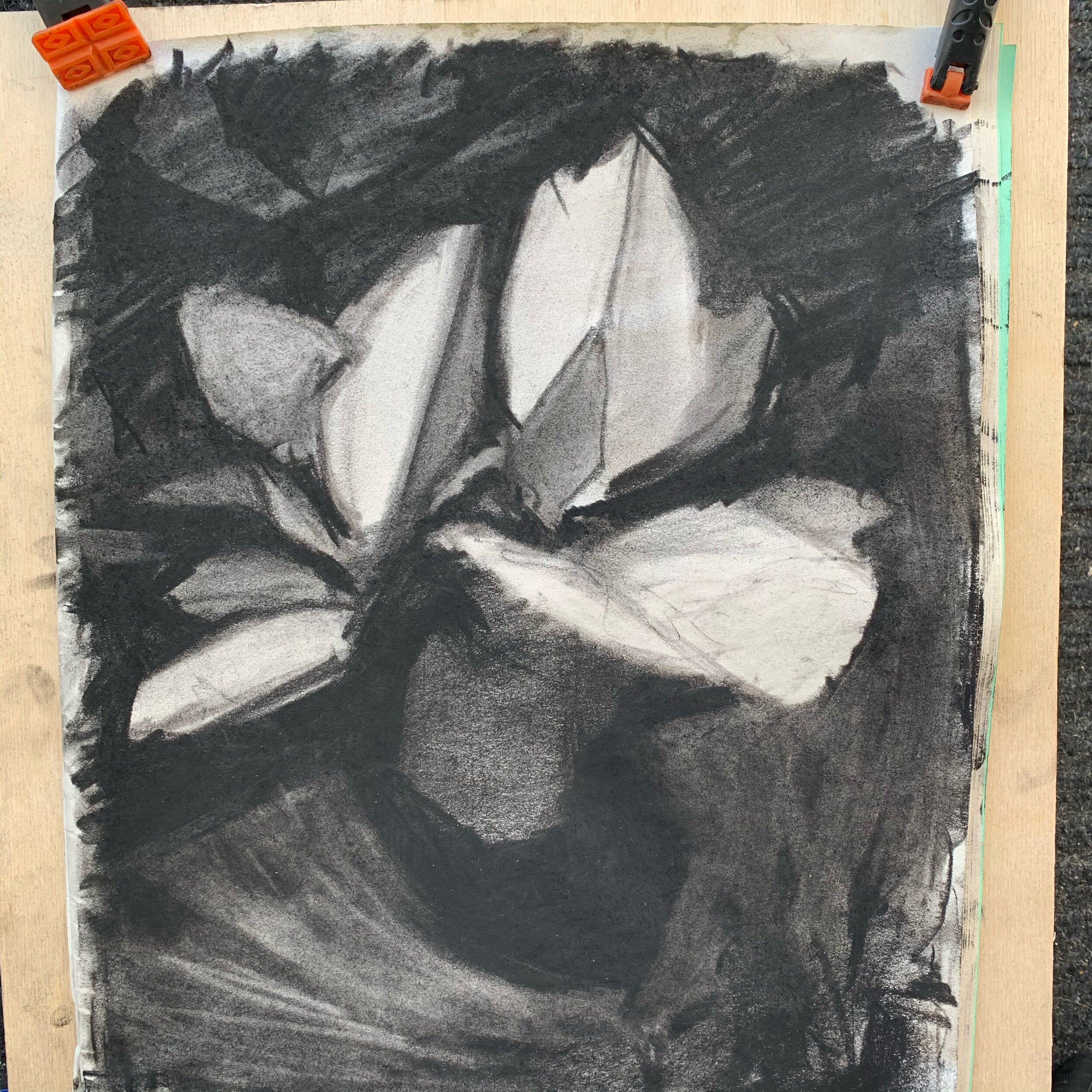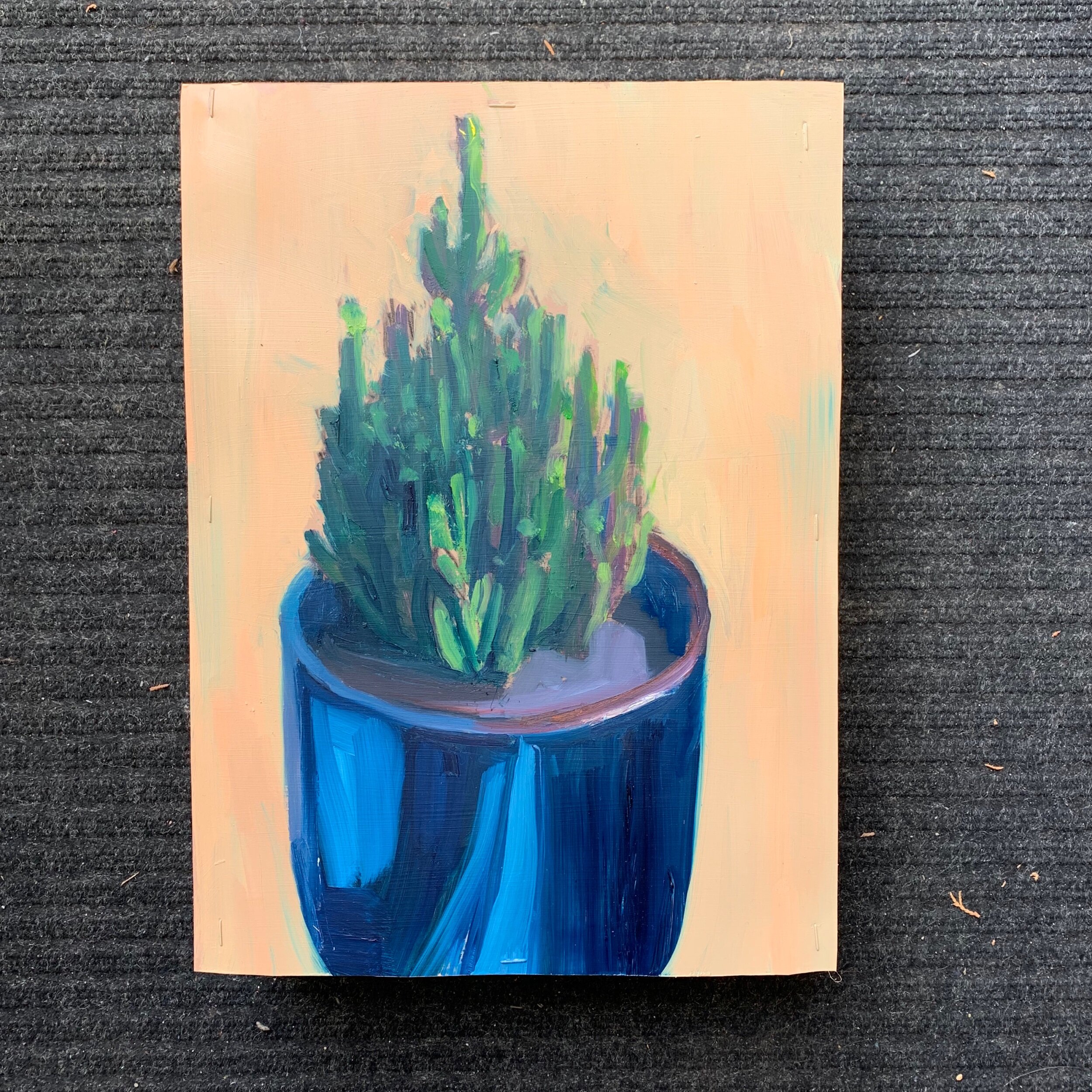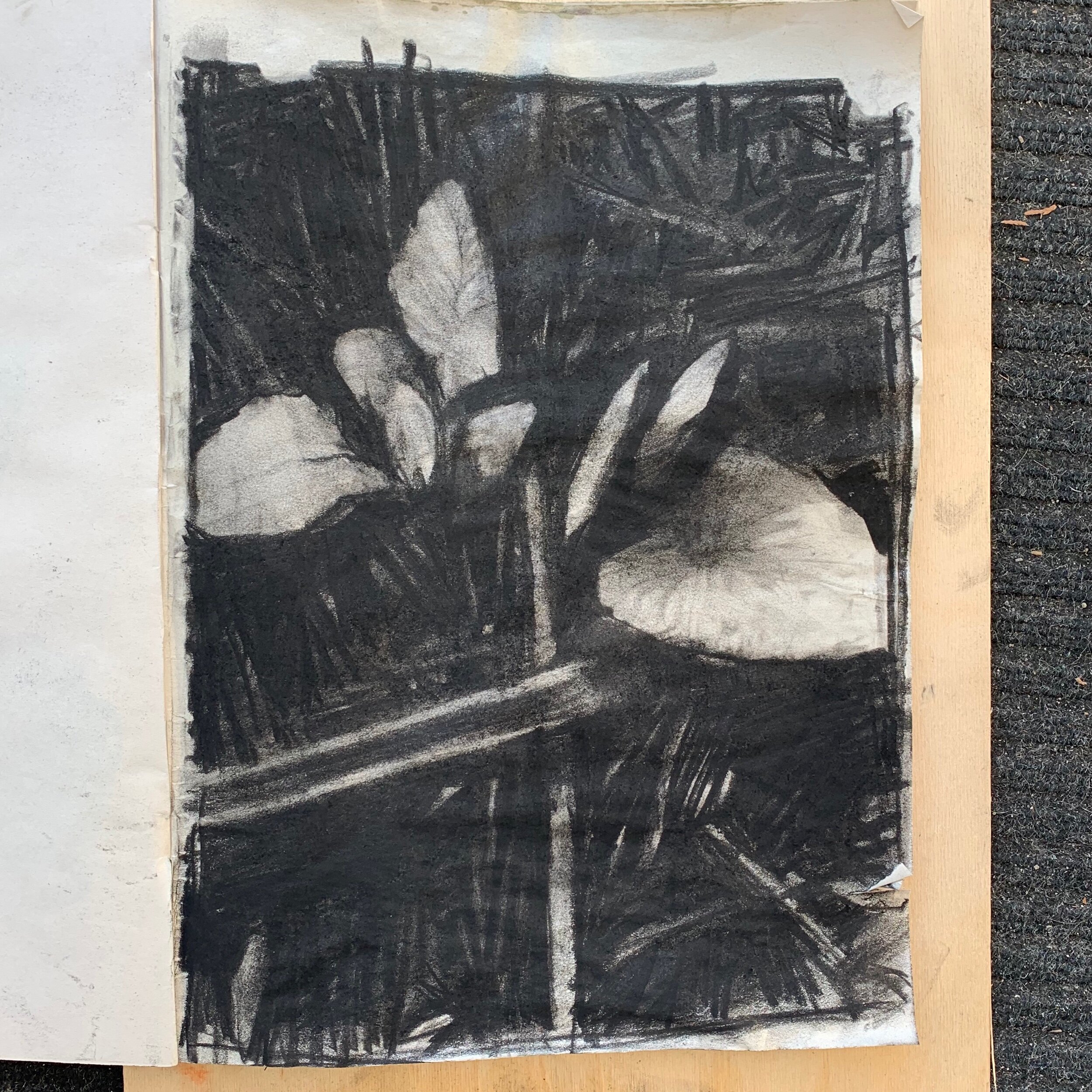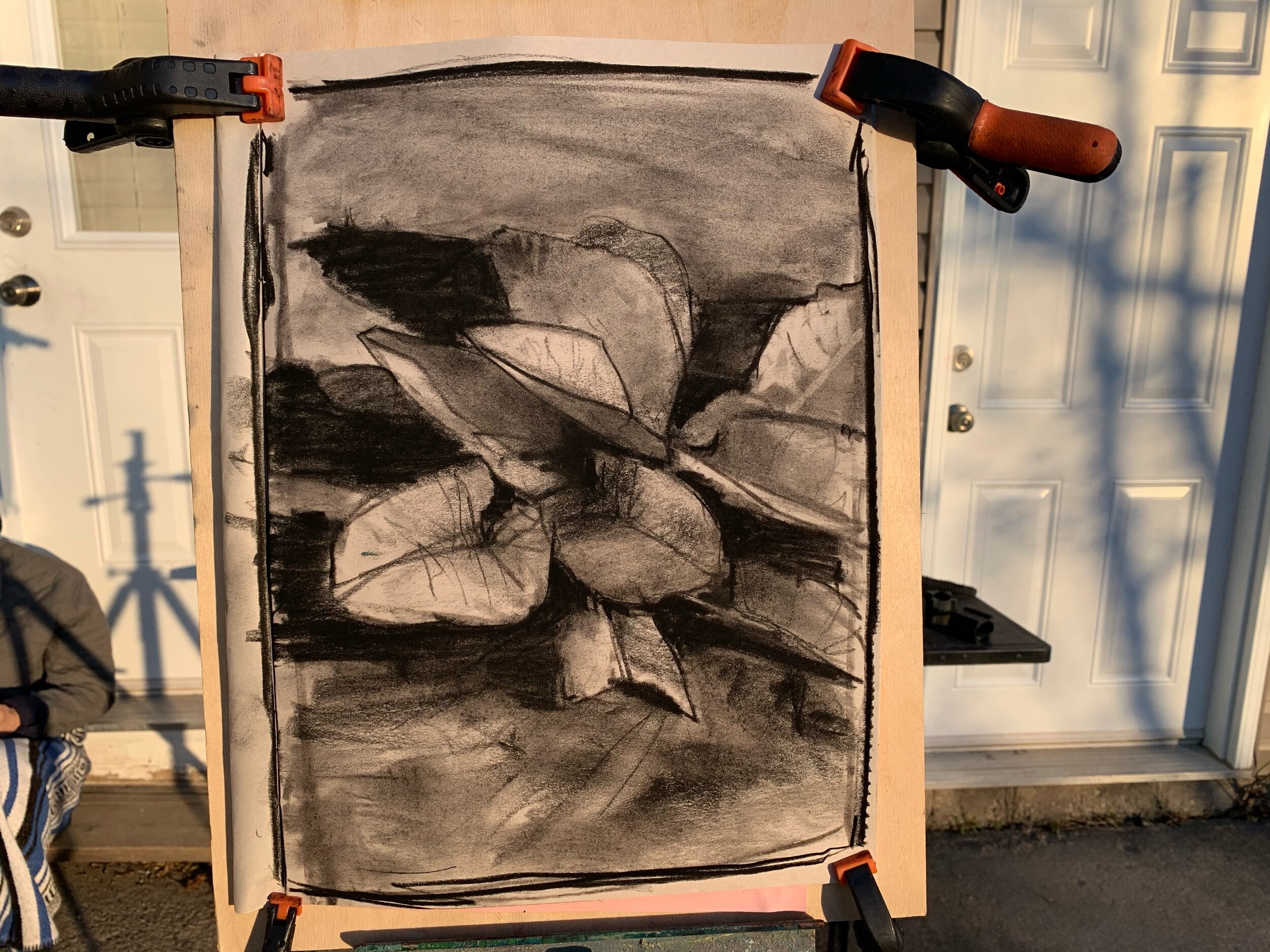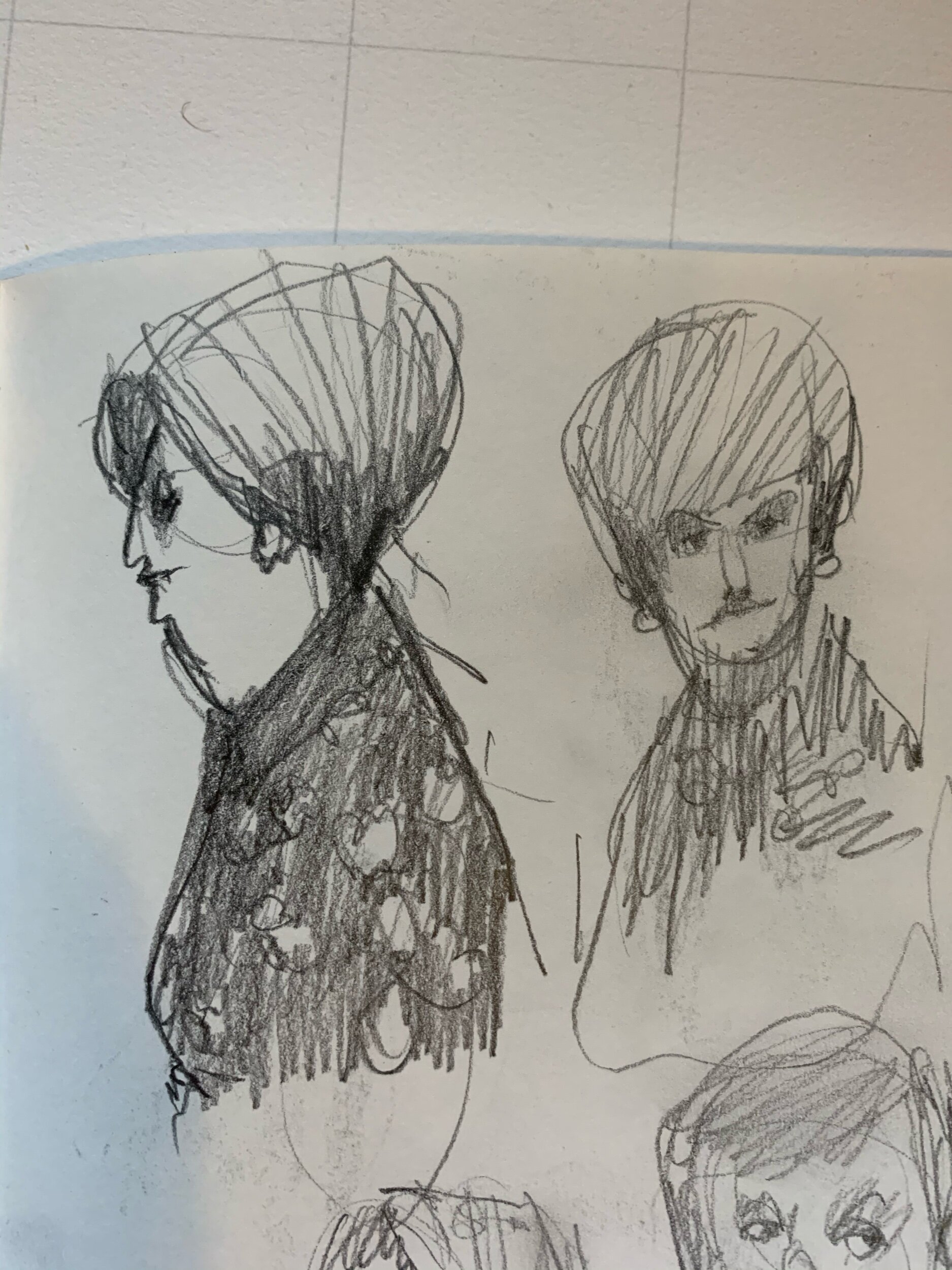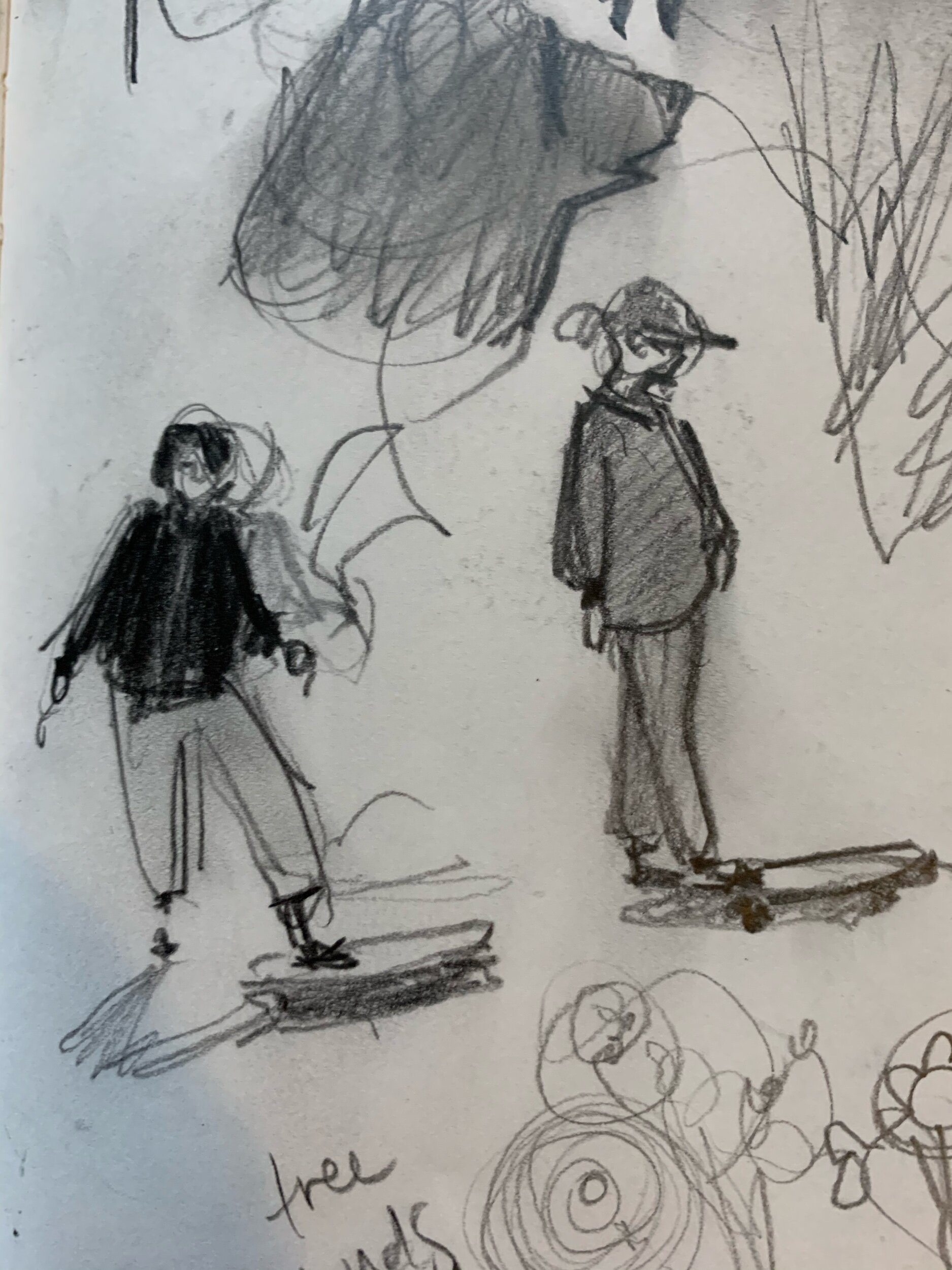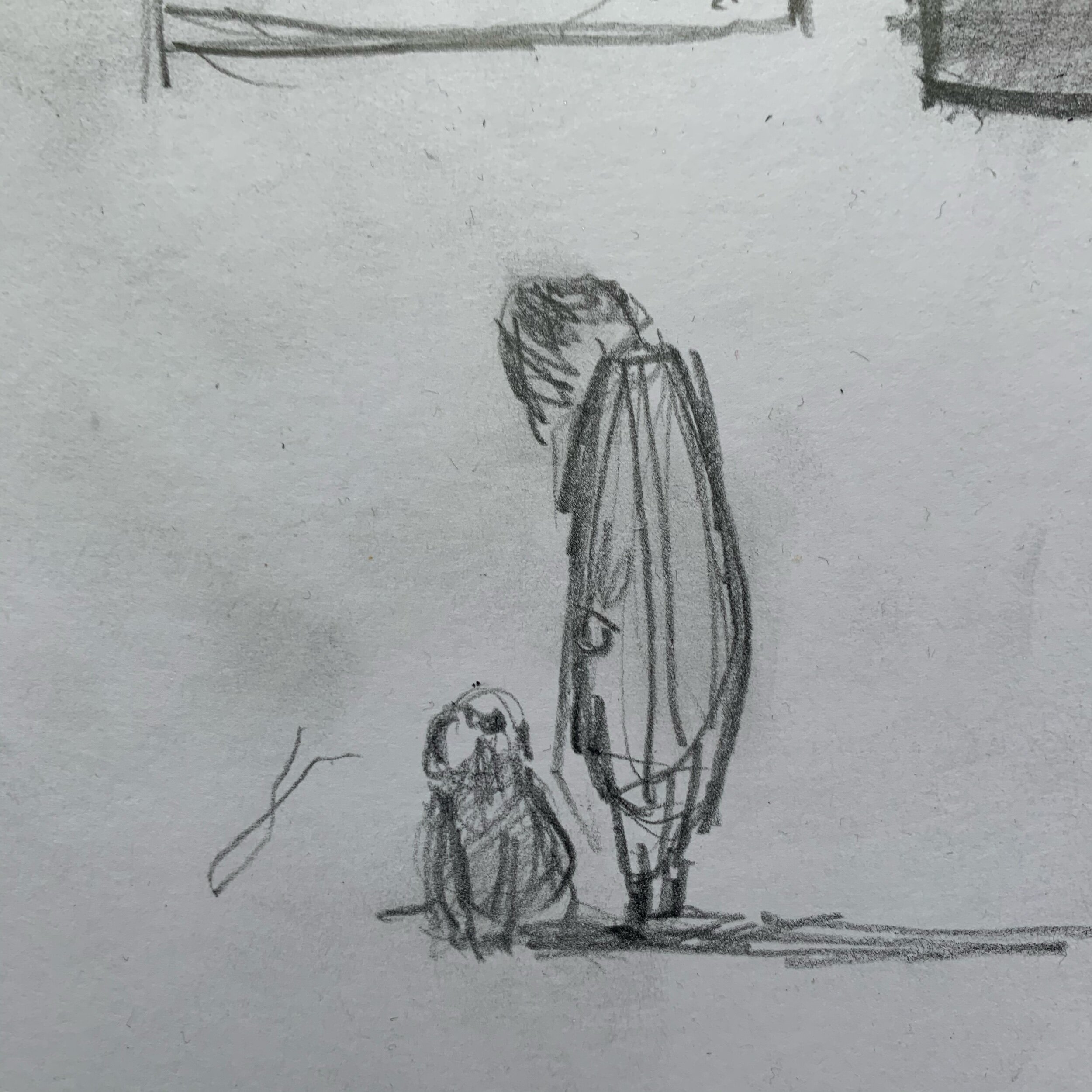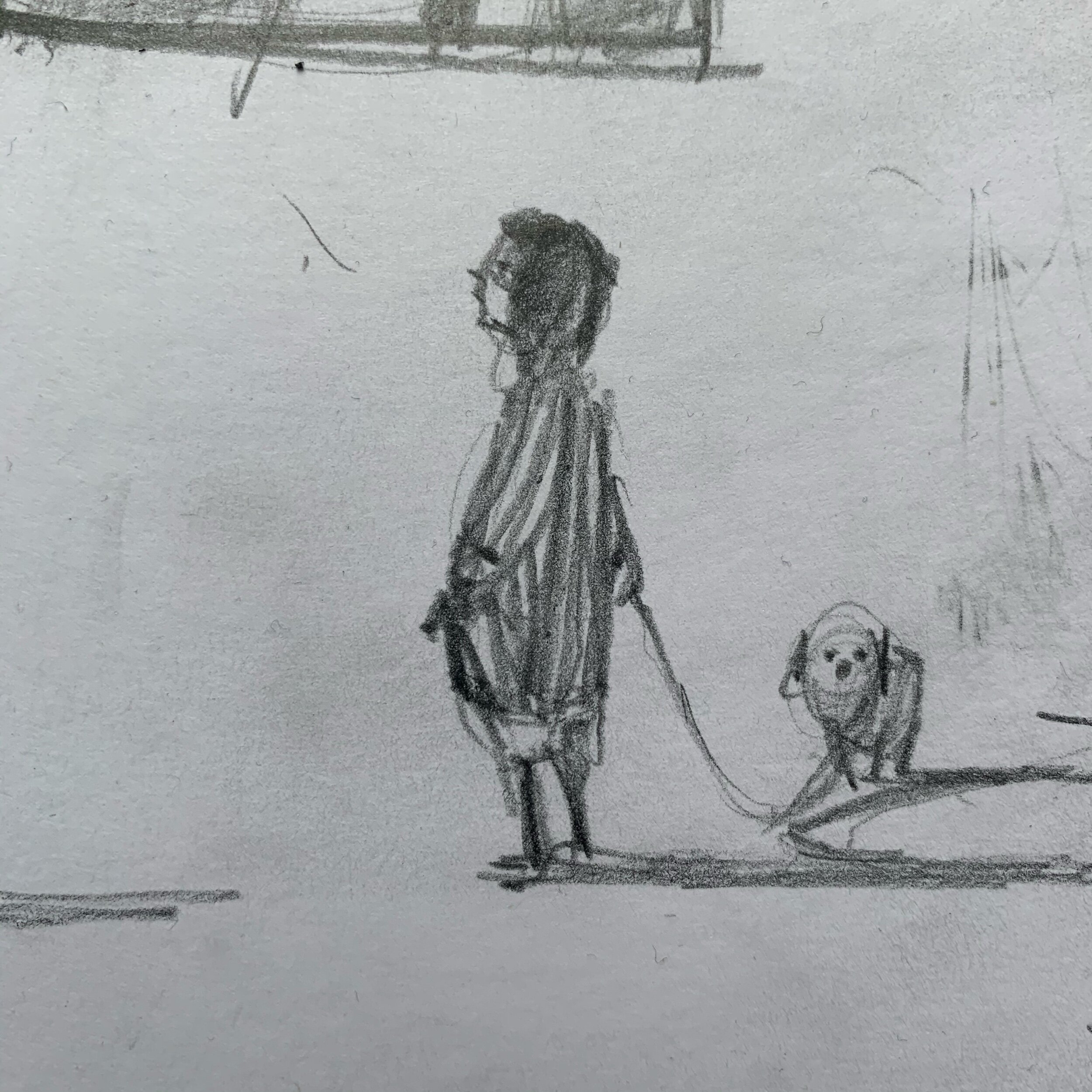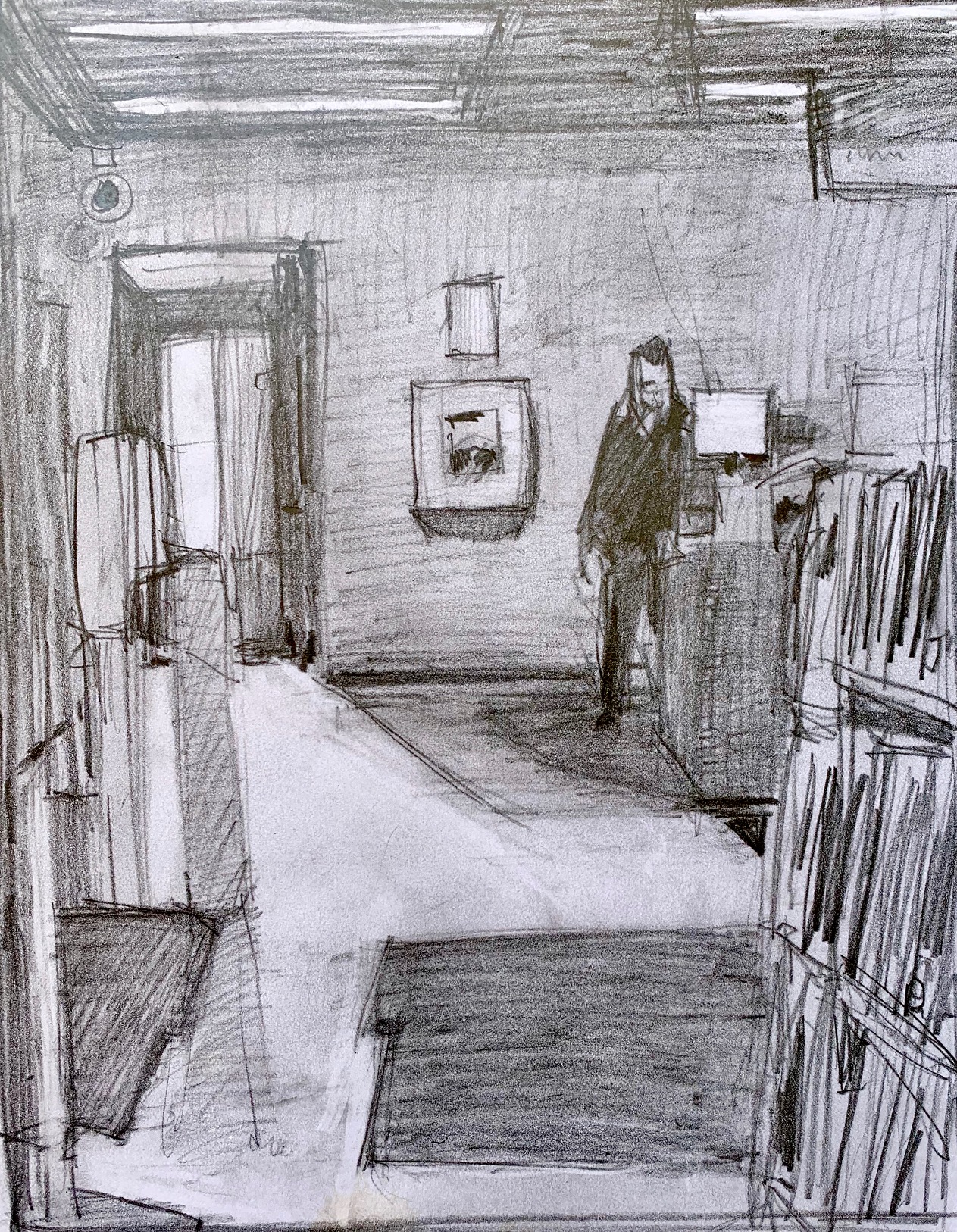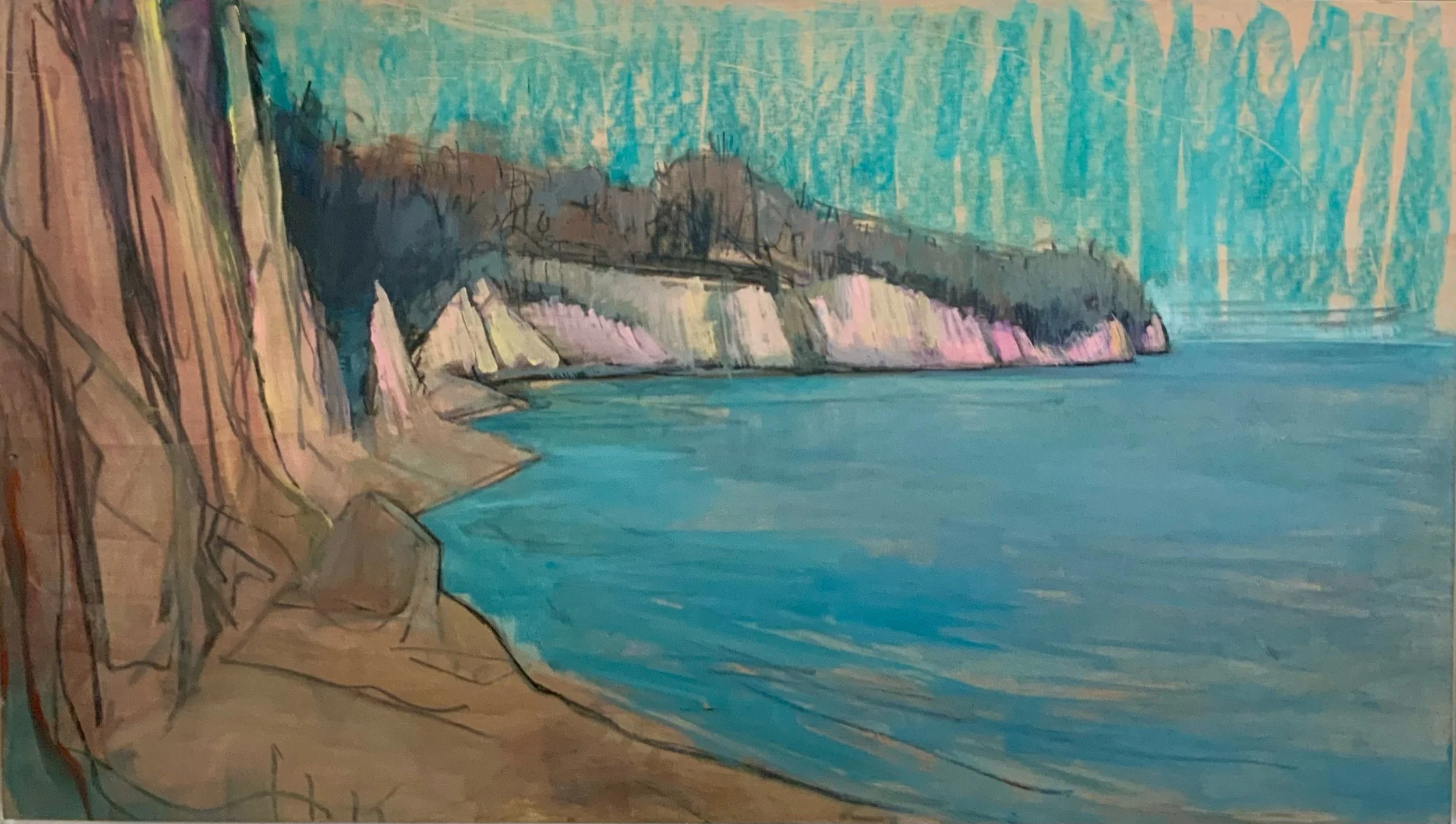
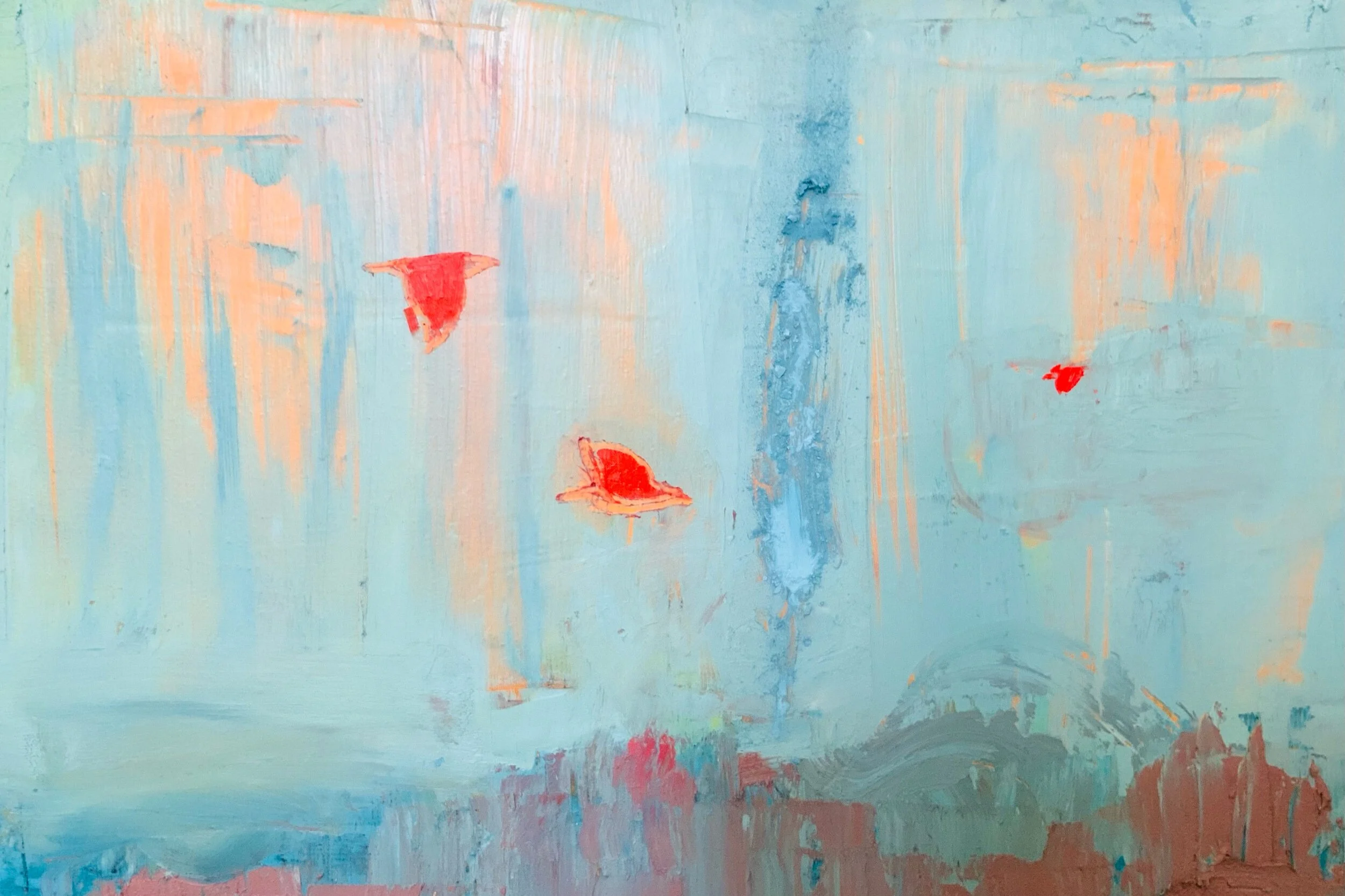
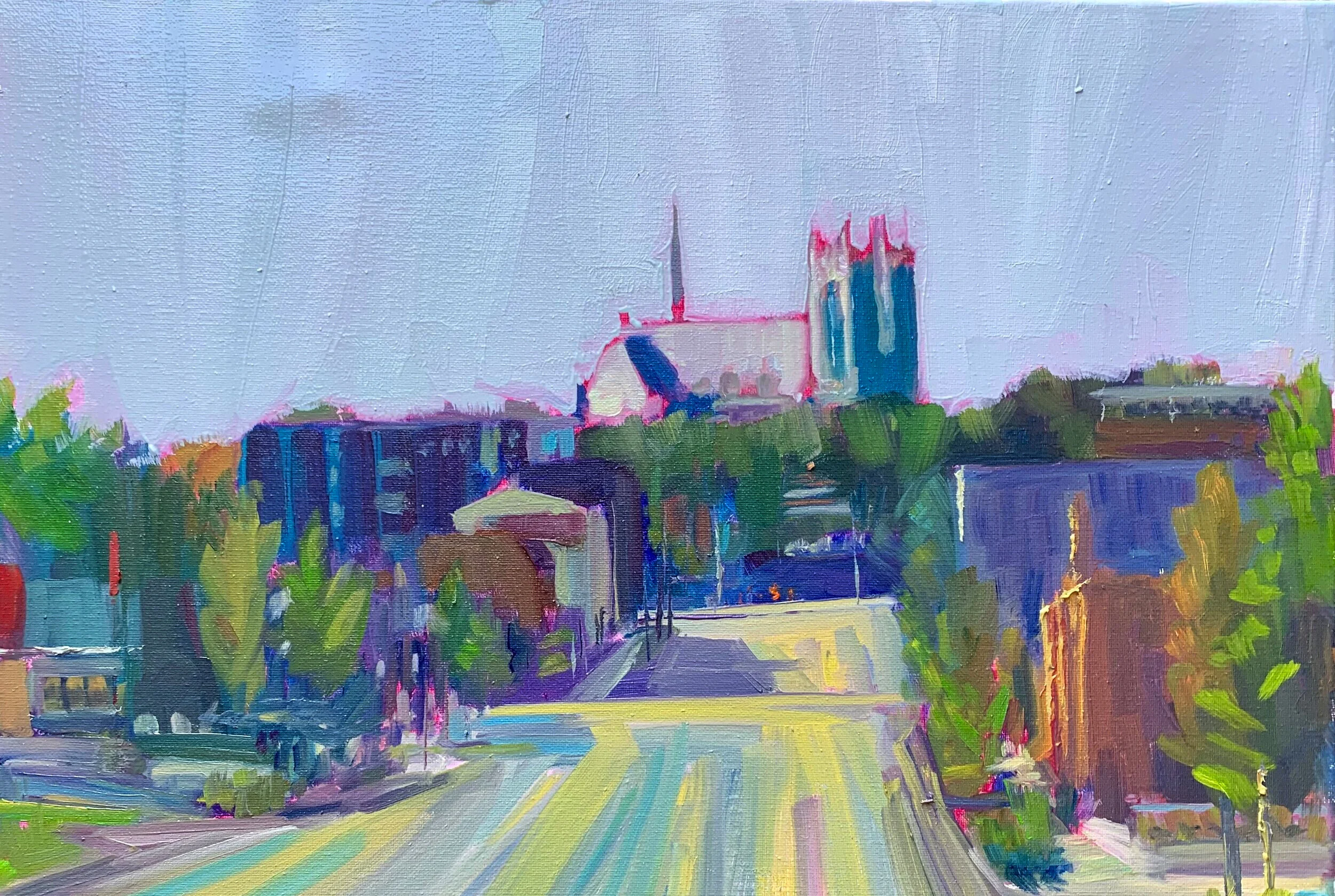
Arts and Crafts

I am very crafty

and only getting craftier by the moment

if you are reading this guess what

you are just as crafty

I’m not referencing

popsicle stick ashtrays

or

friendship bracelets

what I am speaking of is the ability to take what you have,

whether the best art supplies or the worst,

and craft them into something new, fresh, exciting, or of greater value than what you originally started with

(as always I am leaving it up to the reader to ascribe the parameters of value)


there is a saying that I used to hear quite often in my youth and has stuck with me.

it goes something like this:

that the sum is greater than the total of the parts

Upon further investigation the quote is a loose translation from Aristotle’s Metaphysics book


The above succinctly describes painting for me.

A strange statement that has very little to do with calculations and a lot to do with feel

I want to dive into this a bit deeper and really flush out the importance that this mindset, when creating, has on me


Imagine

coming back from the art store with a few new colours, a pencil, a sketchbook

Pretty run of the mill artist fodder

exploration and expression by the artist with the tools available is what we are doing

and

Like any great artist the gear, tools, or supplies that they are working with should have no bearing on how powerful what they create is

the difference between myself and say

Gregory Hines

if we both have the same tap dancing shoes the efficacy of our individual performance will be very different

because we are different

The same can be said with any artist regardless of the medium

Van Gogh, J Dilla, Julia Childs, Vic Chestnutt

(And yes it might be fun to look up some of the above names you don’t recognize 😁)

Their success, failure, and abilities did not rely on the tools but in what they did with those tools

or

Your

sum

is greater than

the total of all your

parts


If I took myself apart like the engine of a car and spread out all the pieces on the floor

rubber, metal, and plastic strewn about randomly

As I know very little about an engine I am only able to understand and recognize a few of the parts,

Perhaps I might intuit the purpose and placement of a few more

after that it might as well be an unsolved mystery when dealing with the reassembly of the engine

My foray into painting felt very much like I was a beginner mechanic trying to understand how the engine works

let alone trying to put one together


I am comfortable in assuming that as a painter most of you have felt unsure about where to begin or the next step to take

the desire to learn in us is strong though

The first formative years of painting and drawing for me amounted to scanning the disassembled engine on the floor

Searching for something recognizable to start with.

through the process of trial and error I kept picking up, examining, and using all the different parts that make up my artistic engine

Some of the pieces do what I had originally thought, while others still remain a mystery.

Over time my artistic engine started taking shape.

Now

It starts when I need it

The horse power is steadily rising

And if there is a destination that I desire to go I feel secure in the knowledge that my engine has the right parts to get me there

Along the way I had people, mentors, instructors, or kind souls, illuminate me on different aspects of an artist’s engine Which i will be forever grateful for their help


this analogy is another way to explain how an artist

finds their voice and style

Because each artistic engine is different and unique to each person

their voice and style will be equally as unique

there is only so much that outside help can do for us in finding our voice

for how can another know us better than we know ourselves?

This is truly the difference between

Teaching and Instructing

There are no short cuts

The journey takes as long as it takes.

What is the most surprising is that the pieces and parts of me which I originally considered to be of little value or a hindrance in my artistic growth are the elements that have played the biggest role in my development

I had a habit to ascribe an element of positivity or negativity to the parts of my engine

the more I paint the more I gain evidence that what I thought was a negative has always come around and become one of my greatest skills

the issue being that I had mislabeled that part of my engine

the clarity I found in understanding my engine

changed this:

“Geez you really don’t plan what you are going to paint very well”

into

“I paint while in the moment operating at a level of instinct and sub conscious”

The quirks of my personality,

the way I behave, think, or emote are all parts of my

artistic engine

The greater I understand why these parts are in my engine and how they fit and work together the greater the success of my paintings

and in my books

Success = Continuing

This way of thinking alleviates the concern in making a mistake with my artistic growth

and

allows me to focus instead on the real crucial part of my engine

what fuel makes it run?

(A discussion for another time)


We are lucky as artists

Our one mandate is to be unequivocally

ourselves

Who I am is not limiting my advancement of anything in my life

let alone painting

My lack of

understanding

who I am is what

limits me

for in the end my fellow artists

our seed has been sown in the soil of the

infinite

our being made up of the fabric of the universe

We are

limitless

The bindings that I believe have held me in place

are in fact

the elements that have

allowed me to

grow

into

myself


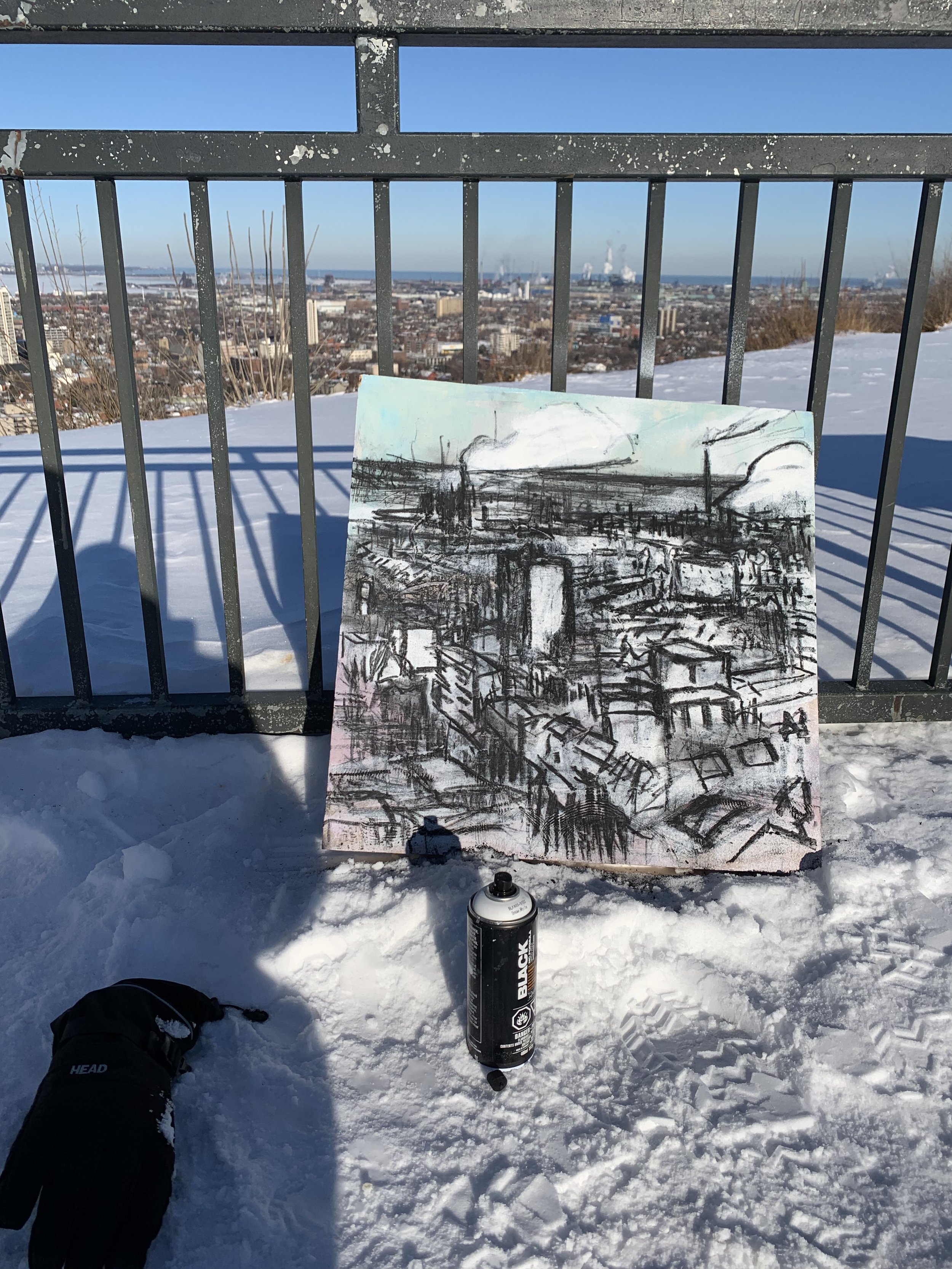
It is interesting what one painting can inspire in me (the above Note)

Accompanying Lindsey to Hamilton during her CPR training

this was the second painting of the day.

-20 degrees Celsius and early

Managed to head up to the top of the mountain via Jolly Cut

Set up in the park with the best view

Got to it

Went to the art store and purchased some spray paint and with a piece of charcoal came up with this

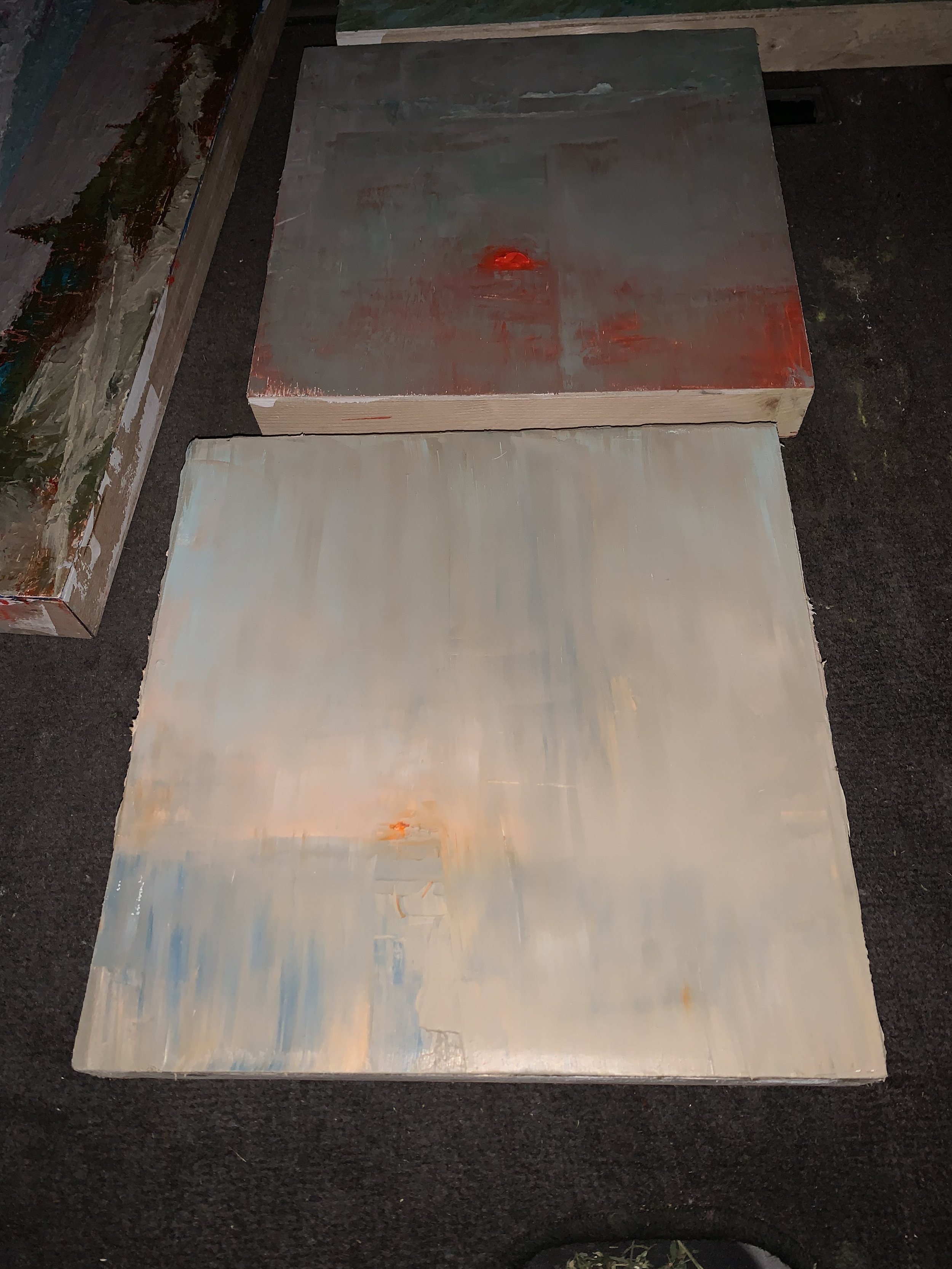
Sum Greater than the Parts

Sum Greater than the Parts, Oil, Spray paint, and Charcoal on Cradled Panel, 24x24inches
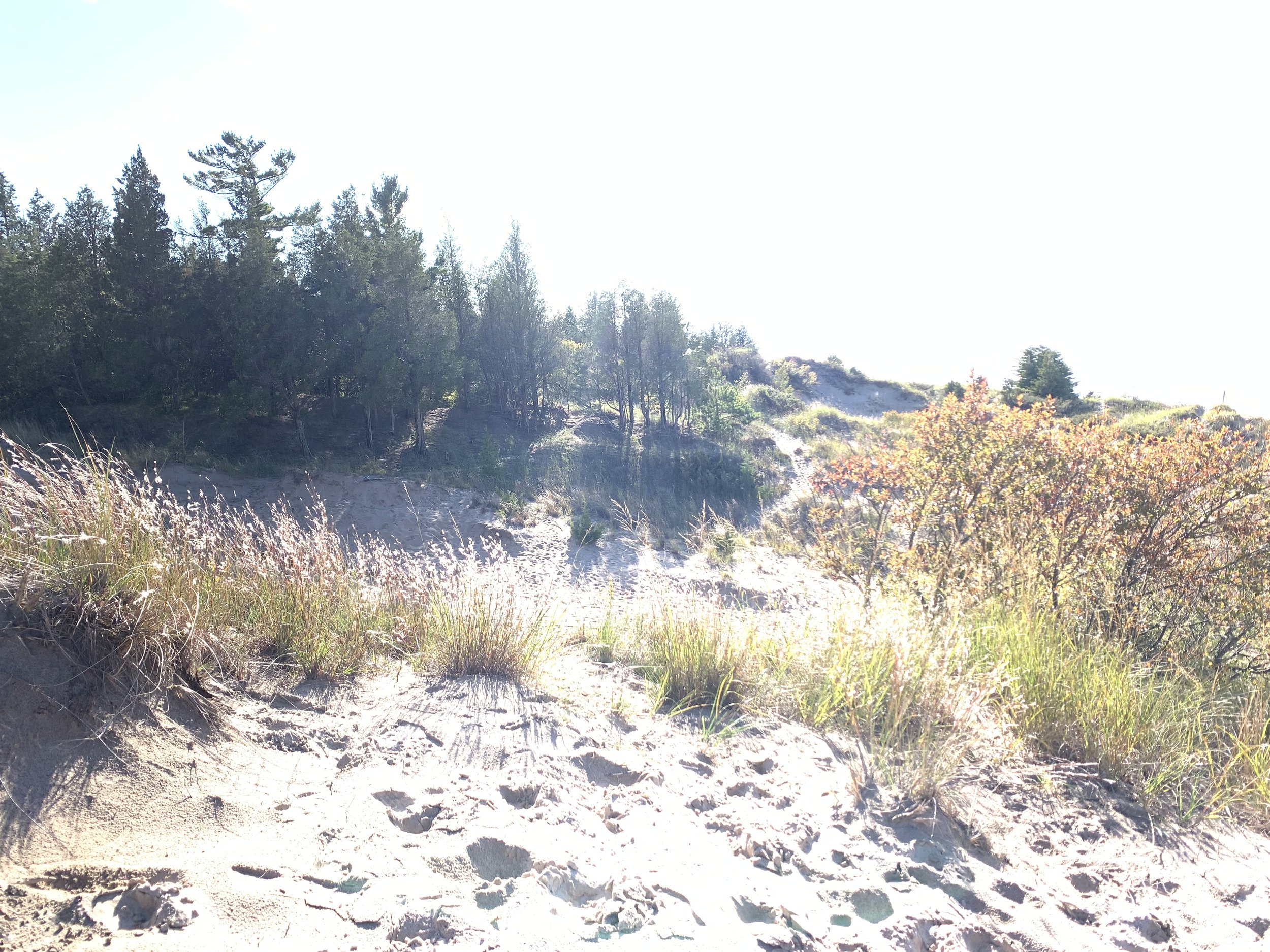
A Life of Adventure: The Pinery

the Grand Bend Art Centre’s paint event took place at the end of September this year.

A longtime dream project for The Paint Ontario founders, Barry Richman and Teresa Marie, that came to fruition against the odds of this current pandemic climate.

If you have never been to a Plein Air competition it really is an informative experience and I think in the future, perhaps in the spring, I will speak a bit deeper on the subject. For now I think that my participation and enjoyment in this type of event, like so many things, is entirety based on how I go into it.

Luckily it was not my first rodeo and my vibe was pretty high. An event that was full of restrictions (time and location) I relished the the chance to work within them to create a piece that still speaks to my vision of art.

But lets keep moving on and delve into my notes from the field:

The event itself: Perch’n’Paint, was a low key weekend of painting which piggy backed the premier juried painting exhibition Paint Ontario. The physical base of which, for both events, being the Lambton County Heritage Museum.

This museum itself is across the road from The Pinery, an amazing sand dune preserve located on the shores of Lake Huron/Karegnondi, and part of the Ontario Parks.

Throughout this summer I had spent about 4 days a month camping in the park, generally spending my time in the Dunes campsite and respective beach. There is something about this section of the park that I haven’t been able to leave. It is a long and winding road to get to the Dunes and all of it looks enchanting, perhaps one day I will stop but it wasn’t going to be this weekend.

Needless to say I was comfortable painting in the Pinery and made plans to spend all 3 days painting and camping in that area.

The event staff had made a map with large boundaries for the event so of the 50 participants I was certain I wouldn’t see any other painters. Just myself and the world that surrounds me.

I arrived Friday evening and set up camp just before the sun set. Retiring to my nest of sleeping bags and pillows I wanted to arrive at the morning’s check in first thing. Registration started at 7am and my alarm was set.

Saturday:

Day 2

Awoke at 3:30 am, well before my alarm. Not sure but I think I fell asleep around 9 pm the previous night so still a good sleep.

A massive rain storm was set for the whole weekend, which is one major reason why I use oil paints, so I was pleasantly surprised that the sky was clear and beautiful. Illuminated with a glowing Milky Way and luminous Moon.

I immediately started the fire and heated water for coffee.

After my cup I refilled and walked down to the beach to see what the sky could tell me. Looking for signs as if that would change my intent to paint. It wouldn’t. There is something lovely about this type of event: a specific time in which I have made plans to paint and very little could stop that.

A chance to create outside of inspired motivation

Off in the distance, just at the horizon, a crescent shape cloud formation grey and sullen moved slowly towards the land.

The naked sky, shadow laden forest, and thin beach alive with spirits and in a half asleep daze I slowly made my way back to the campsite. Deciphering and writing down my findings I spent the next few hours slowly sipping coffee and enjoying the stillness

Before I knew it was 7am and time to sign in at the museum.

Pulling into the parking lot after watching the sun rise over a corn field there were already several painters waiting to sign in.

Saw some familiar faces all doughy eyed.

The event itself was well planned and every contingency to create a fun and level playing field for all took any concerns away.

The great painter Astra Nams was used as a consultant when the GBCA (Grand Bend Art Centre) team created the event and special thanks go to her great knowledge of Plein Air painting. Made everything so smooth.

Leaving the museum parking lot by 8 am I headed back to the campsite to get set up for the first painting.

In this short time the grey clouds seen on the horizon early this morning had overtaken all of the real estate above me. Creating an impending rain storm canopy.

It wasn’t a matter of if, but when it was going to start raining.

The first location, just off the main boardwalk from the Dunes campsite, was empty on the cool morning. It took several trips to get all of the gear and supports out to the beach.

As you can see in the panorama there are a million paintings just with one spin. My first thought on having set up is that the rain was going to hold off.

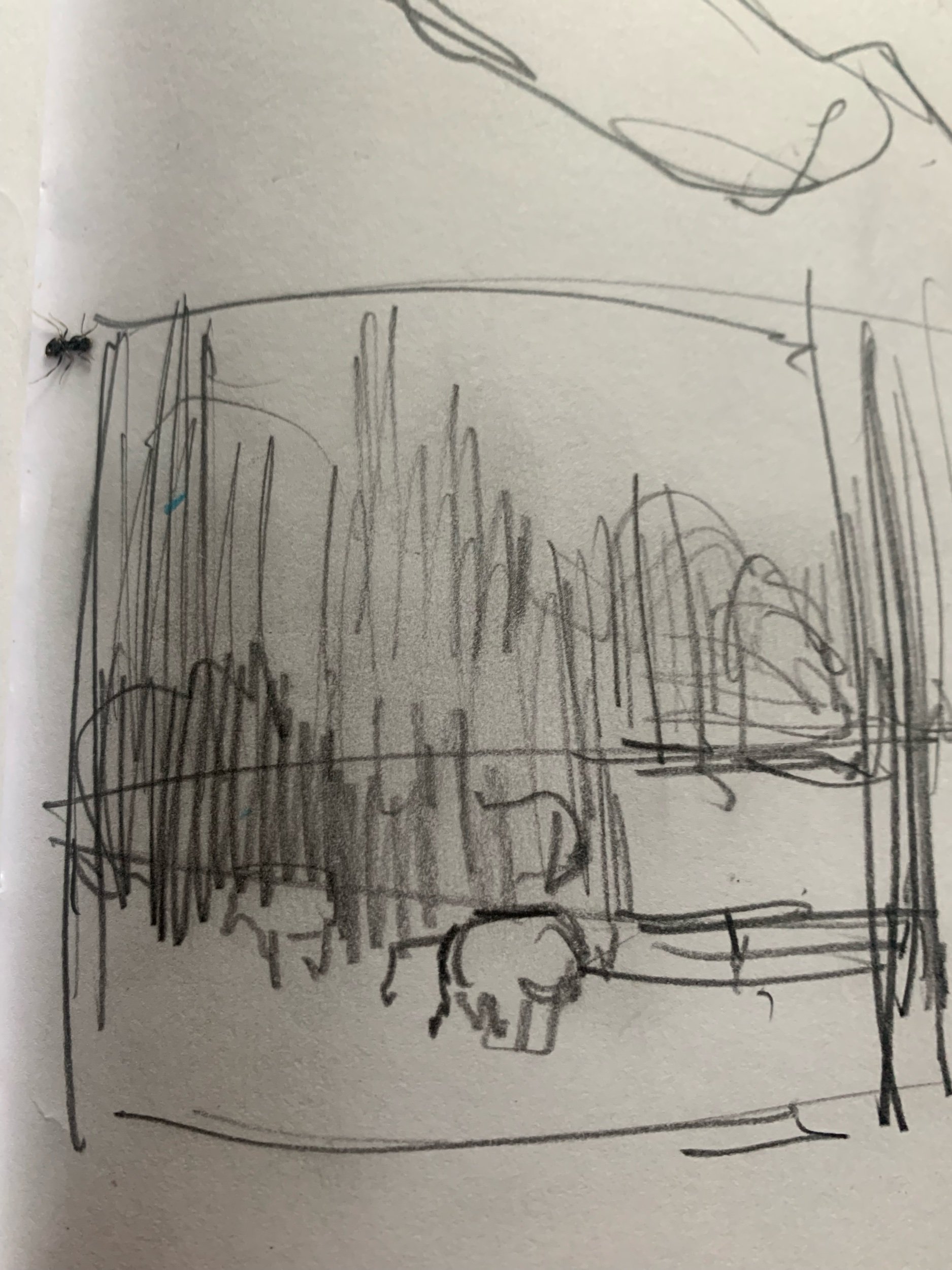
I spent my time making sure my thumbnail sketches were in a place that had me comfortable with the subject. Sometimes that is the most important thing for me when approaching a entirely new painting. A plethora of drawings which are meant to familiarize myself with the physicality and importance of the subject.

Physicality: The shape of things, where they sit in the space, the size and ratios of objects, the colours, the value scale, and light

Importance: the “why” of painting. Why am I painting this? What about this scene am I trying to express or show? How am I going to do this?

Working in this way I have found allows me to get through the learning of a painting, and when it comes time to start on the canvas I am unfettered with the concern of trying to draw or paint something and am able to fully immerse myself in the spirit of the place. Allowing for the particular energy or vibe to take over and work through me.

I want to understand a subject but not so much that I become bored. That the drawing or painting is just by wrote. That there is still some quality of the unknown which keeps a sense of magic in what I do.

I have been using this method for quite some time and now really enjoy putting all of the sketches away when I initially step up to the canvas. Hoping to meet anew the landscape before me with fresh eyes.

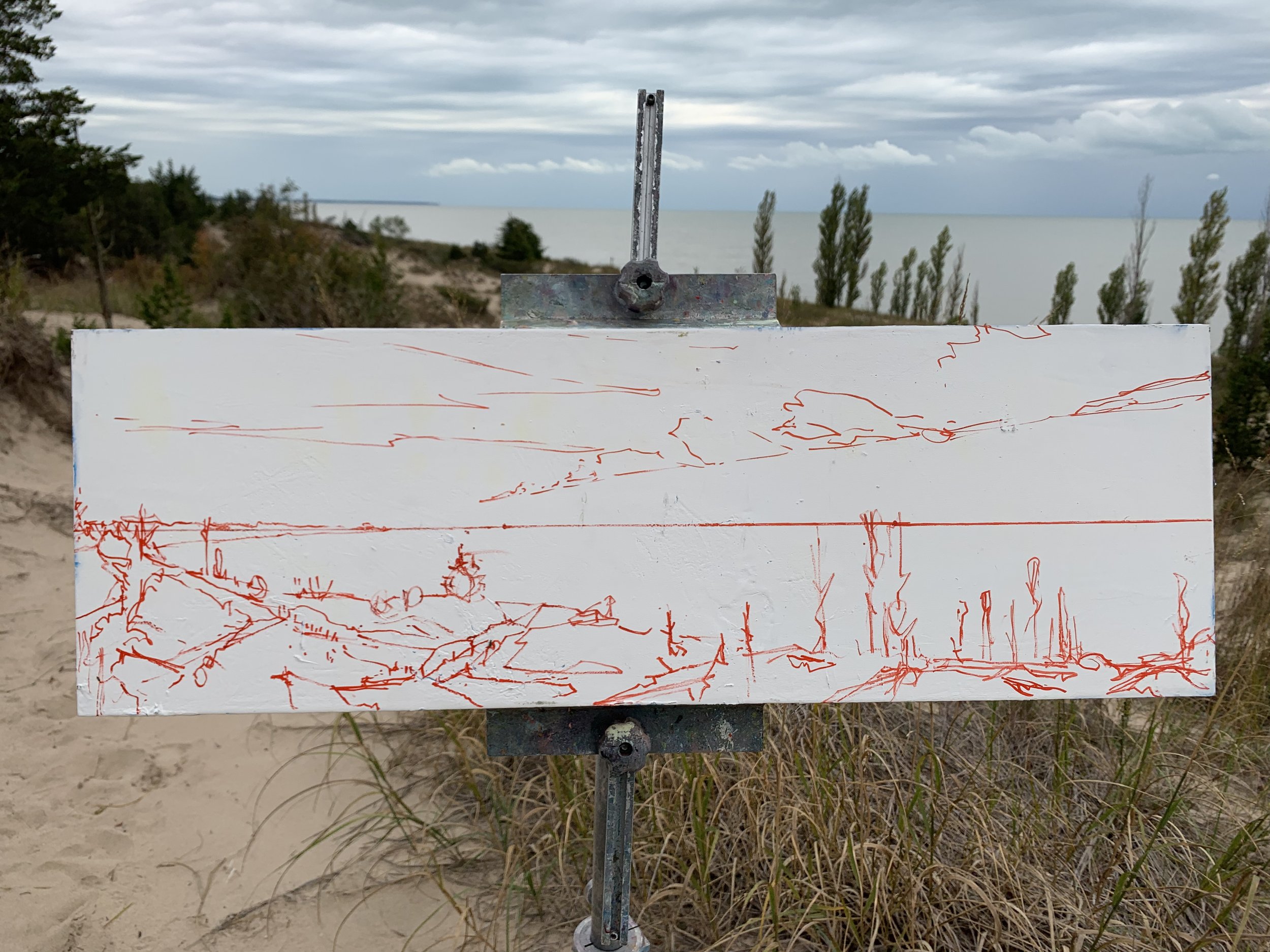
I think I love the results of pressure. That there is only one shot to get this right. Keeps me focused, keeps me honest. I have been using permanent marker to create the under drawing. Line economy and a sure footed stroke are only possible if I can be free of questions and concerns.

this pathway to painting is akin to a concert pianist spending hours practing a piece of music and then having the ability to be fully immersed in the experience during the performance.

This under drawing is the result of the method

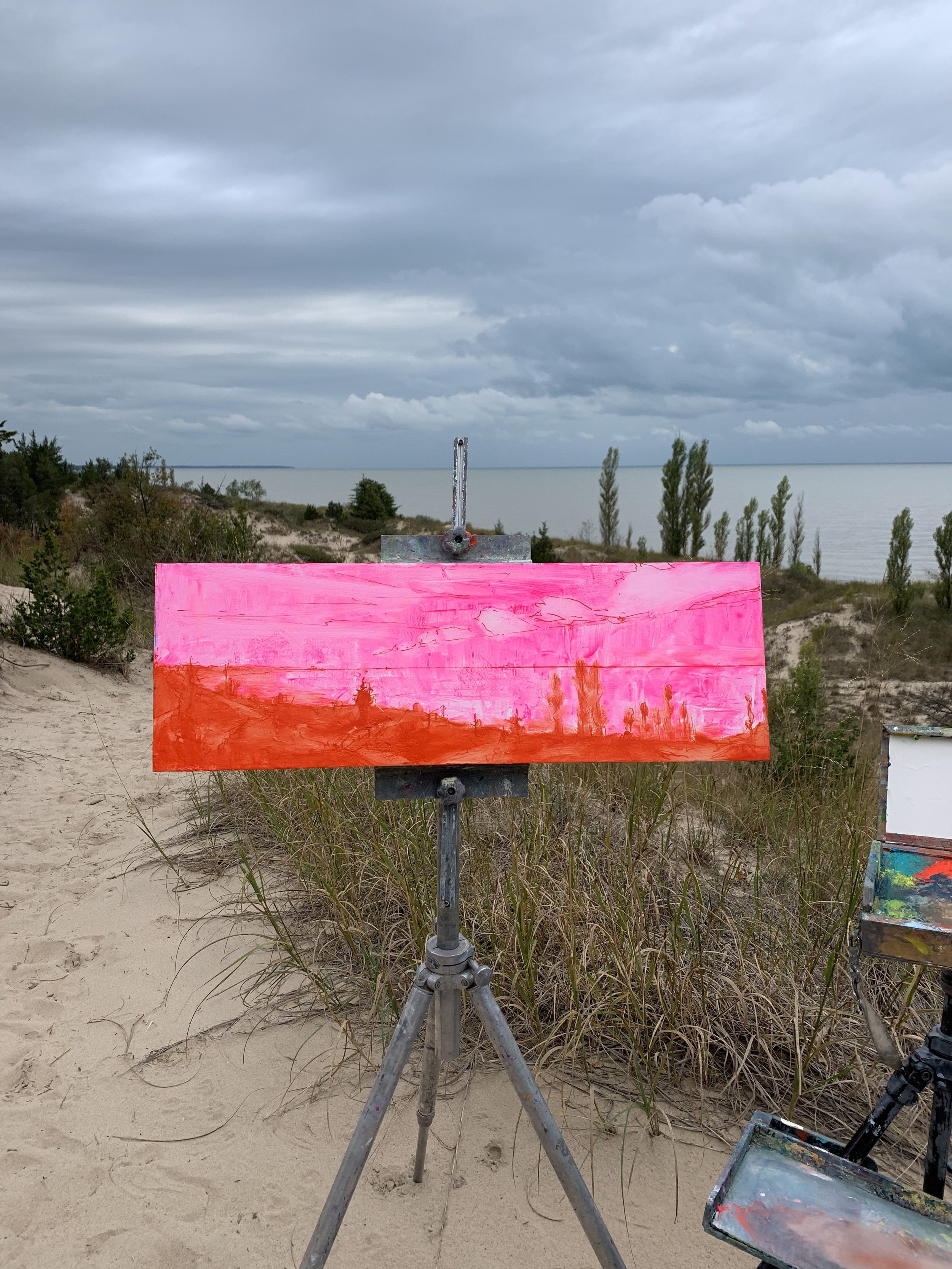
I had the presence of mind to take photos as the painting progressed and was lucky enough to have the downpour hold off until the last 40 minutes of the painting. Just enough time to get soaked but still keep my spirits dry enough to finish and continue on with the day.

This last video will give you an idea of how wet it actually was. I am soaked and there is water dripping off the bottom of the canvas.

This painting sold the next day to one of my collectors from London and I often wonder how it is doing. The experience feels like a dream due to the early morning and not having any physical evidence of the painting itself.

So far my weekend was a dream

1 painting down and 2 more to go

Back at the campsite I was soaked and decided to drive to the nearby thrift store on the other side of Exeter to dry off and hopefully find some warmer clothes.

It is one of the best I have been to so my chances were good.

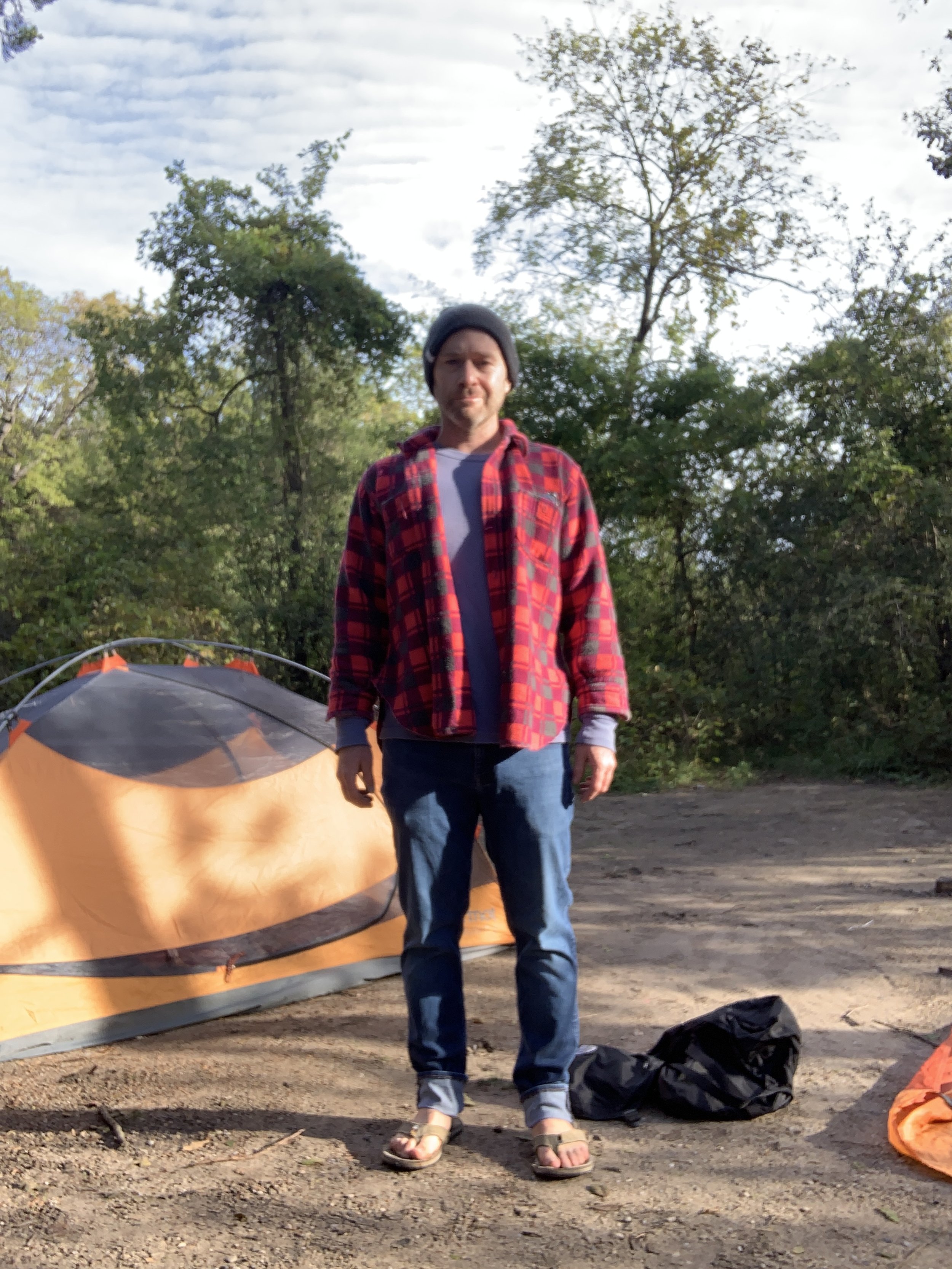
I ended up with some new jeans and flannel jacket and with the heat on full blast in the car had sufficiently brought my core temp back up to normal.

Some camp site modelling and snacks and I was off to what would be the second, and final location.

Just 200 metres from my first spot was a dune plateau with an expansive view. Nestled in a protective dip in the land it allowed for some protection from the wind.

The westerly gusts pushed the rain inland and the sun began to dance across the peaks of the water.

How could I not paint this!

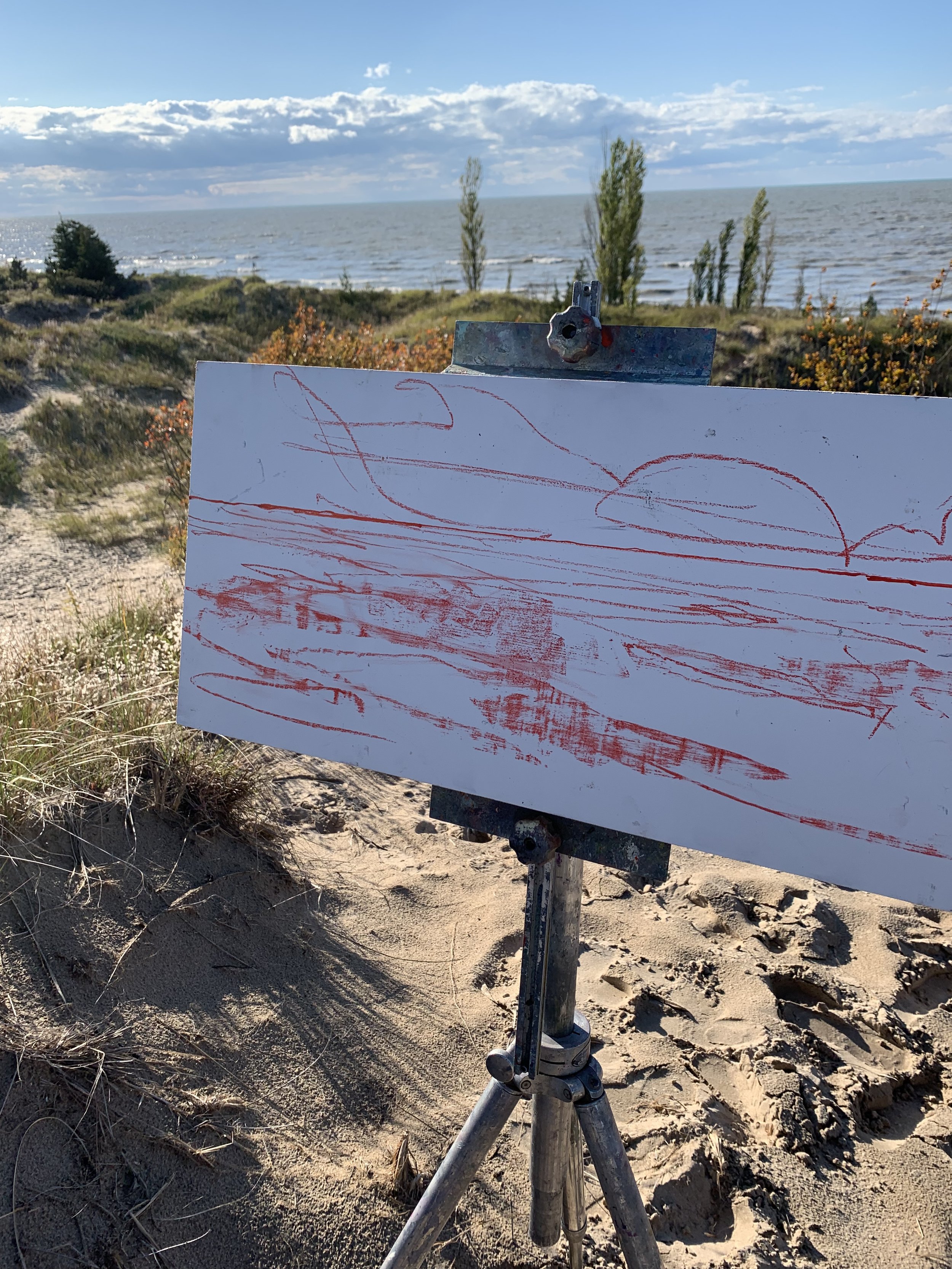
As you can see I had prepped the canvas with an idea already formed.

The longer 12 x 24 inch canvas meant for a study of the water and the two squares meant to be a way to quickly capture the beautiful sunsets on the lake

Forgoing the thumbnails and studies I worked out the under drawing in chalk pastel. Making sure to keep it loose and full of energy. I wanted the viewer to feel the waves and win approaching them in the painting

Before laying paint to panel I had pre mixed all of the colours for the water. The lake was ever changing and wind seemed to come from slightly different directions with each gust. Blocking in the waves as quickly as possible I left the white of the wave caps empty. The white that you see is gesso underneath. I wanted the strokes of the coloured water to suggest the movement of the wave.

Finishing up the sky just in time for a short break before the sunset began.

This painting sold three weeks later to collector from Paris and had won best water scene at the event.

The last painting I finished of the setting sun just before it fell beneath the horizon is currently showing at Westland Gallery in London Ontario.

I went to bed after painting four canvases and felt wiped.

Had an early fire and fell asleep.

The next morning I awoke at the crack of dawn, got a swim and a little painting in before heading to the museum for closing ceremonies

Packed up the site, dropped off the paintings, talked with some collectors and fellow artists and started the lazy Sunday drive home to Guelph.

A weekend full of treating painting and moments that I still think about. I’m excited to head back perhaps this winter to do some more painting. The peace that I experience in the environment of the the Pinery is unfound anywhere else.

I think this is the reason that I love Ontario. It is possible to drive two hours and feel like I am in a totally different part of the world.

I’m excited to explore and find more hidden gems

Perhaps I will see you out there

Relationships

So much of painting for me is the interaction with the environment and subject.

Seems like logical and normal behaviour.

If the environment is serene and peaceful, a sunny day in a meadow, then usually the finished painting is serene and peaceful.

If the sky is dark and stormy so does the painting becomes dark and stormy.

I have heard an idea by a few different artists that I am going to loosely quote here. The thought really changed my idea on how I painted.

“A painting is like a relationship, there are plenty of first dates, maybe even second dates, but a person really needs to spend time with a painting to really get to know it, and in turn themselves.”

Pretty heavy stuff for a En Plein Air painter who loves a quick first date type painting.

Now I really took this to heart and realized that some relationships I had been involved with that lasted years were less impactful than a chance conversation with a stranger at a gas station.

It helped me to let go of expectations and be present. Making for a more immersive painting experience which ultimately led to better paintings.

Whatever “better” means at the time


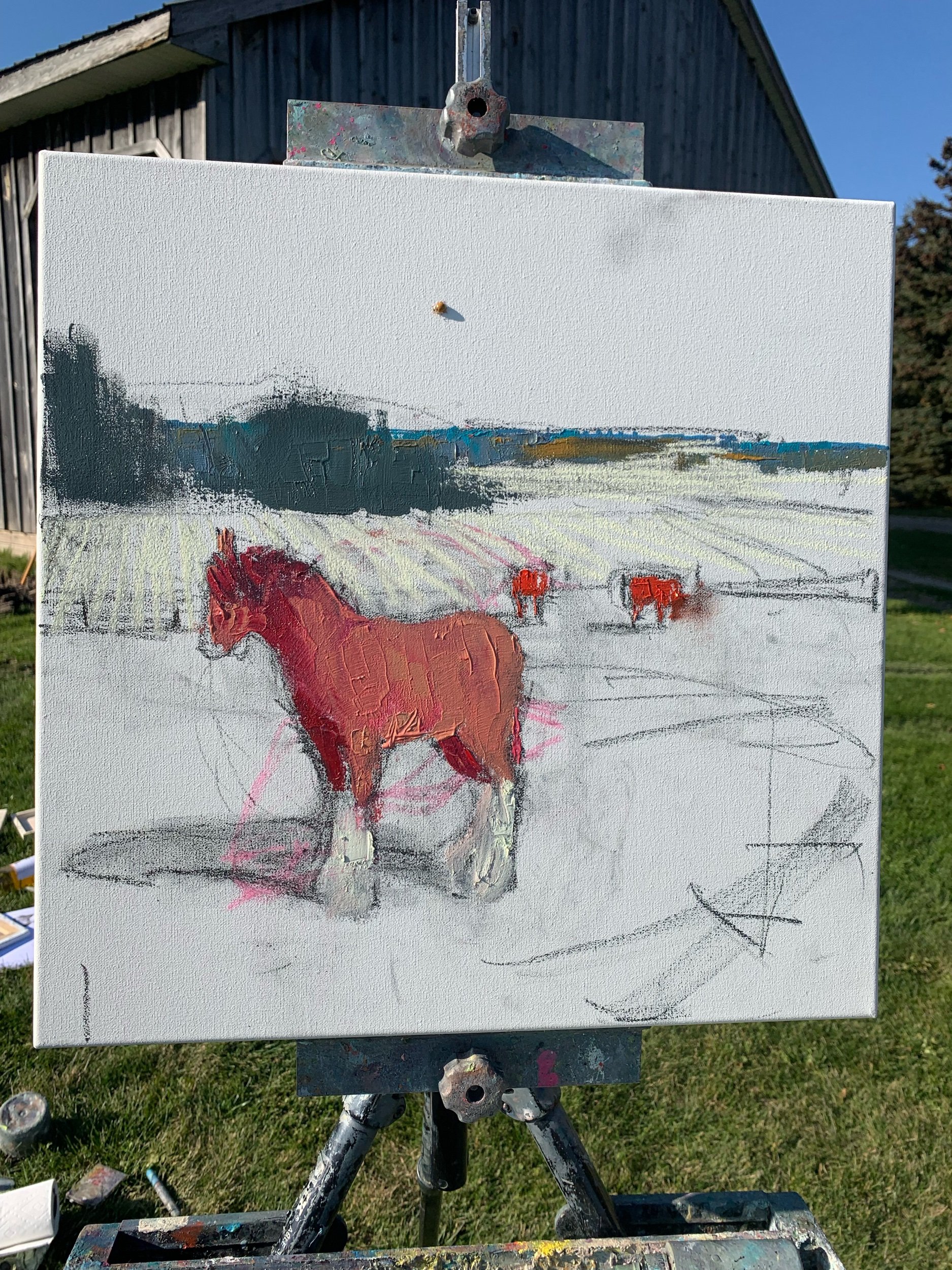
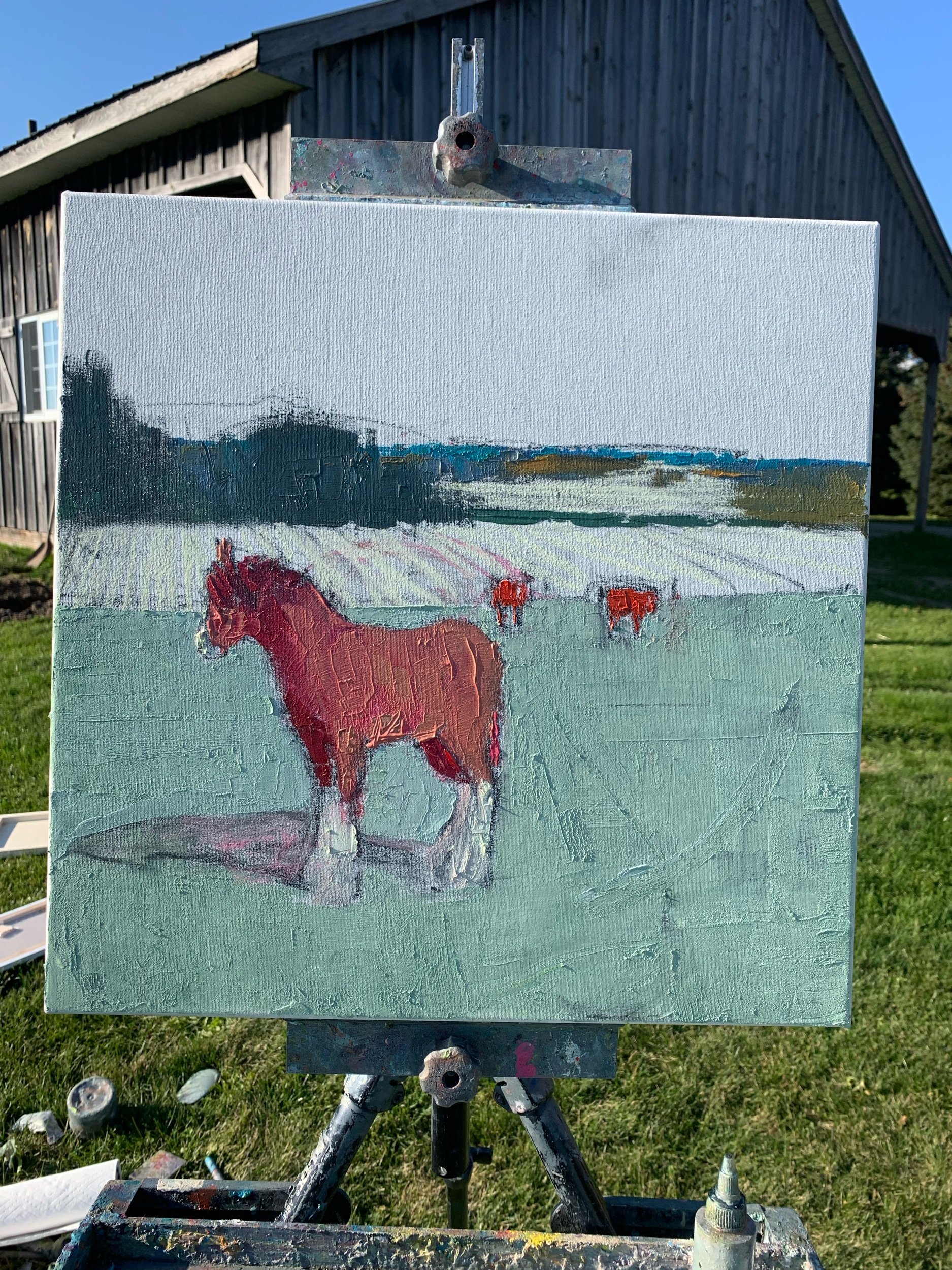
All this being said I have found myself over the last two months spending more time at David and Susan’s Horse farm in between Guelph and Elora.

A wonderful and evocative environment where the barn and home sit upon a slight hill over a subtle and expansive valley.

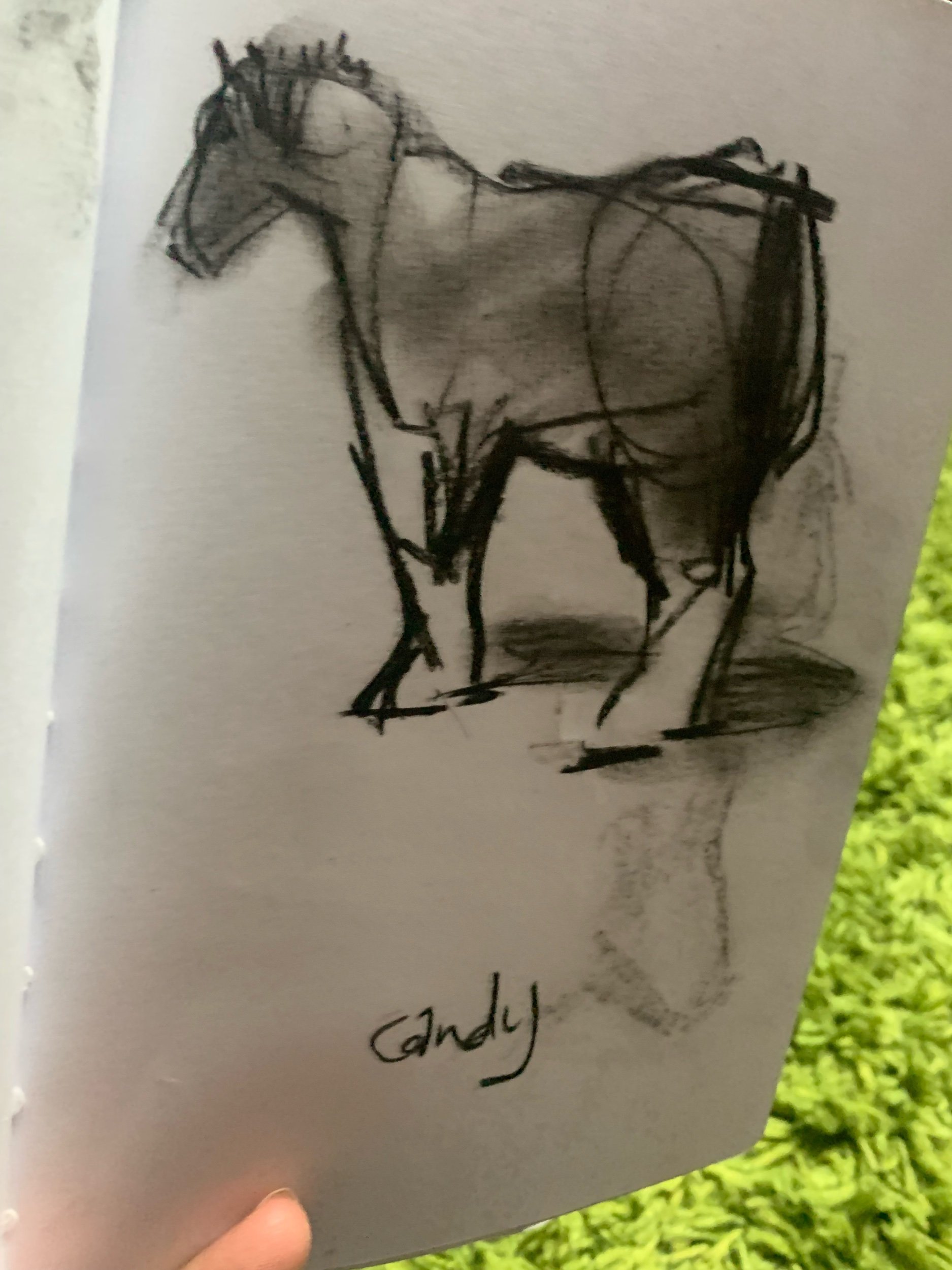
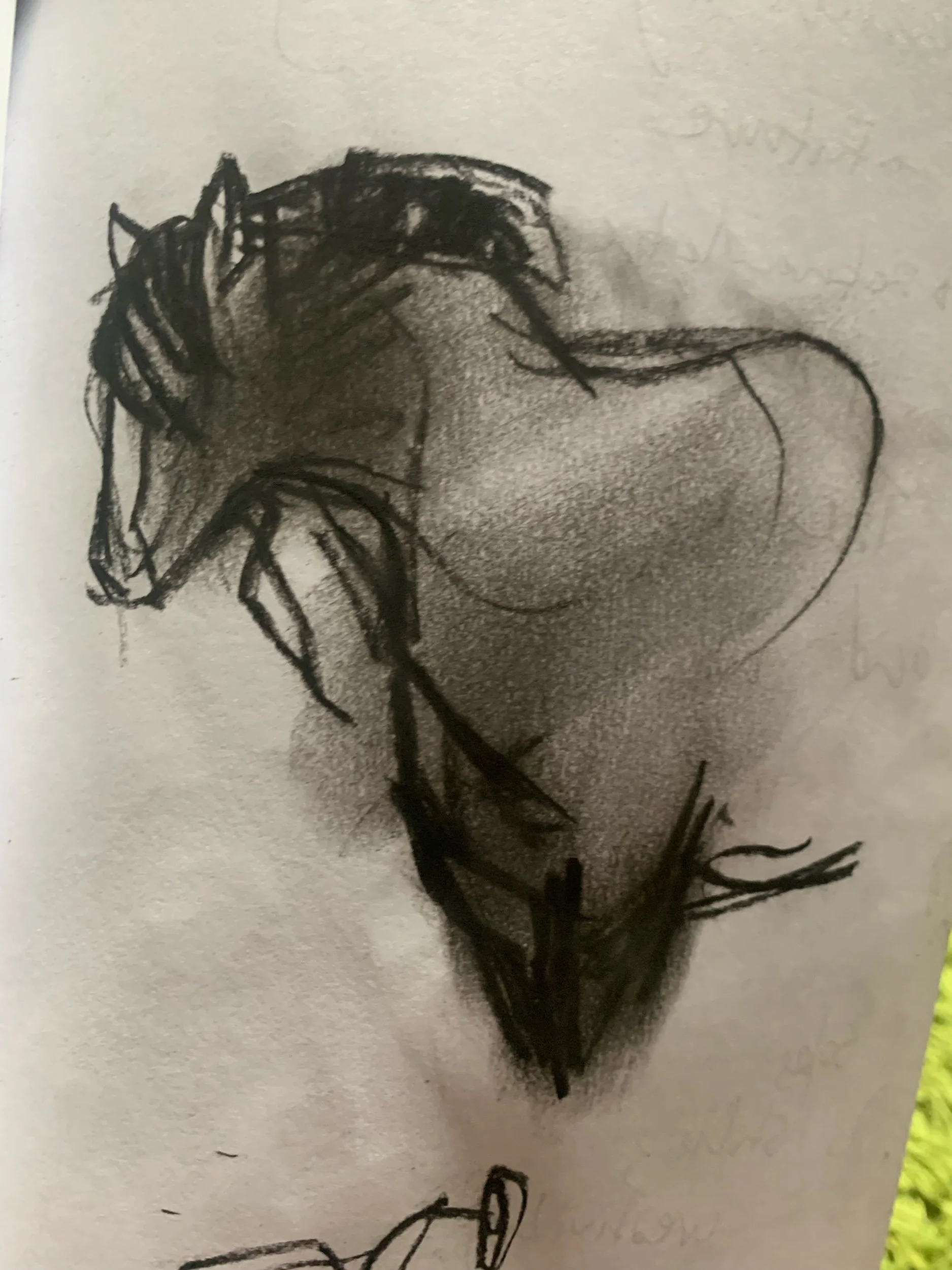
Included on this farm are some hard working staff. Gordon the head barn cat, Daisy the farm dog (in training) and the stars of the show: Candy, Blue, and Mini

Rather than talk about how the relationships formed with these three (as I feel I am always speaking on the relationships a painter experiences with their environment) I thought I would use the paintings, studies and drawings done over those two days to illustrate how I get to know a subject. How I work with themes, use the elements particular to the moment and revisit those elements on subsequent visits.

There are lots of ways to work and to understand. The key for me has always been to define and then refine.

Define: the subjects, the objects. Who/what am I viewing, what I wish to show, what I wish the viewer to feel, and the always important how am I going to achieve this

Refine: Take these notes and refine them down to their most concentrated elements. I may not end up using the most concentrated elements but in doing so I gain a foundational understanding of what it is I am looking at.

This method of exploring, being curious, and understanding all allow for an amazing secondary element.

I am internalizing all of the information to be used at a later date if needed.

A.K.A. I can draw or paint horses without needing photos or auxiliary information.

The connections in between the paintings and drawings are easy to see in hindsight. In the moment they are quite a bit more spontaneous.

Making a Date with Inspiration

The title of a blog dedicated to a single day of painting done this September at the McMichael gallery in Kleinburg Ontario

Their annual En Plein Air event took place over a 6 week period

Accepted through Jurying

Around 70 artists were invited to paint and submit up to three paintings done on the gallery grounds over the allotted time frame

I was blessed enough to be one of those artists

It just so happened that I only had 2 to 3 non consecutive days to paint

in September/October

My plan was to head down for one day mid week and paint all three of my entries

The clincher was that the paintings must be 16 x 20 inches

lets spend a little bit of time with this:

16 x 20 inches or 320 square inches multiplied by 3

920 square inches!

or

6 square feet of painting!

From life

in one day

on the grounds of the home of the group of seven’s paintings

during a busy summer day

No pressure right

as a side note the original title to this post was

“Planning Inspiration”

As I was working through the points flushing out the idea behind the piece I really felt like planning felt aggressive

planning an attack

a sortie

a surprise

They all made me feel the inspiration was outside of me and it was something elusive that I was trying to capture

That is not my relationship with inspiration

relationship being the key word of that statement

I asked myself (and I ask you)

if inspiration was your romantic partner of ten years

if it was someone you had met on tinder, at the library, or been set up with on a blind date

How would you approach asking it out on a date ?

How would this date change from a partner you’ve been married to for 15 years and recently become estranged

or

an internet dream who filled you with lustful desire?

What would the date look like?

This the approach.

For inspiration in my mind and experience is an entity all of its own

the idea of the muse or the spirit comes to mind

something that is not static but living and breathing

This is how I approached the day of painting

I set the foundation

the location was set on where the two of us would meet

I brought the supplies

paints, panels, snacks and blanket

made a playlist to make sure the mood was right

and the rest is history.

SO

Please let me present to you my

Date with Inspiration


Having had to reschedule my day the week of really didn’t play into how I approached the painting

Lindsey and I drove up through rolling hills and country side of south western Ontario trying to avoid major Highways at all costs

Stopped mid way and bought a bottle of red for later that night and other than that it was windows down and balmy breezes the whole trip

Arrived and parked. The previous time I had painted at the gallery I found myself seeking out other painters to talk with spending time welcoming patrons to ask questions and getting in all sorts of discourse. This time around it was definitely the opposite.

I had a meeting with the environment

We walked around the main grounds testing out different spots. Sketching thumbnails and searching for a quiet refuge

I should mention that the night before I had dreamt that I was already painting there. So in my mind I already had a painting spot and the dream painting was already half done so I knew that I needed to at least find a spot to warm up.

I still had about 8 or 9 hours of light left and that left me just enough time if everything went smoothly to get at least two paintings in.

Fingers crossed

This is the first spot we stopped

Right in the middle of the main pathway to the gallery from the parking lots

SO much foot traffic but there was something about the sculptures that captivated me. Allowed me to work with subjects that would hold the pose unconditionally

It added immediate drama and story to my painting!

Starting first with a charcoal drawing, I definitely took lots of time in between painting. Partly because of the amount of people, but also I wanted to come with fresh eyes and strokes.

Being able to choose colours that were fresh and informed from life and using the quality of my brushstrokes to enhance the feeling of movement and life

I did not want this to be a painting of sculptures

I wanted this painting to be breathing.

Full of emotive content.

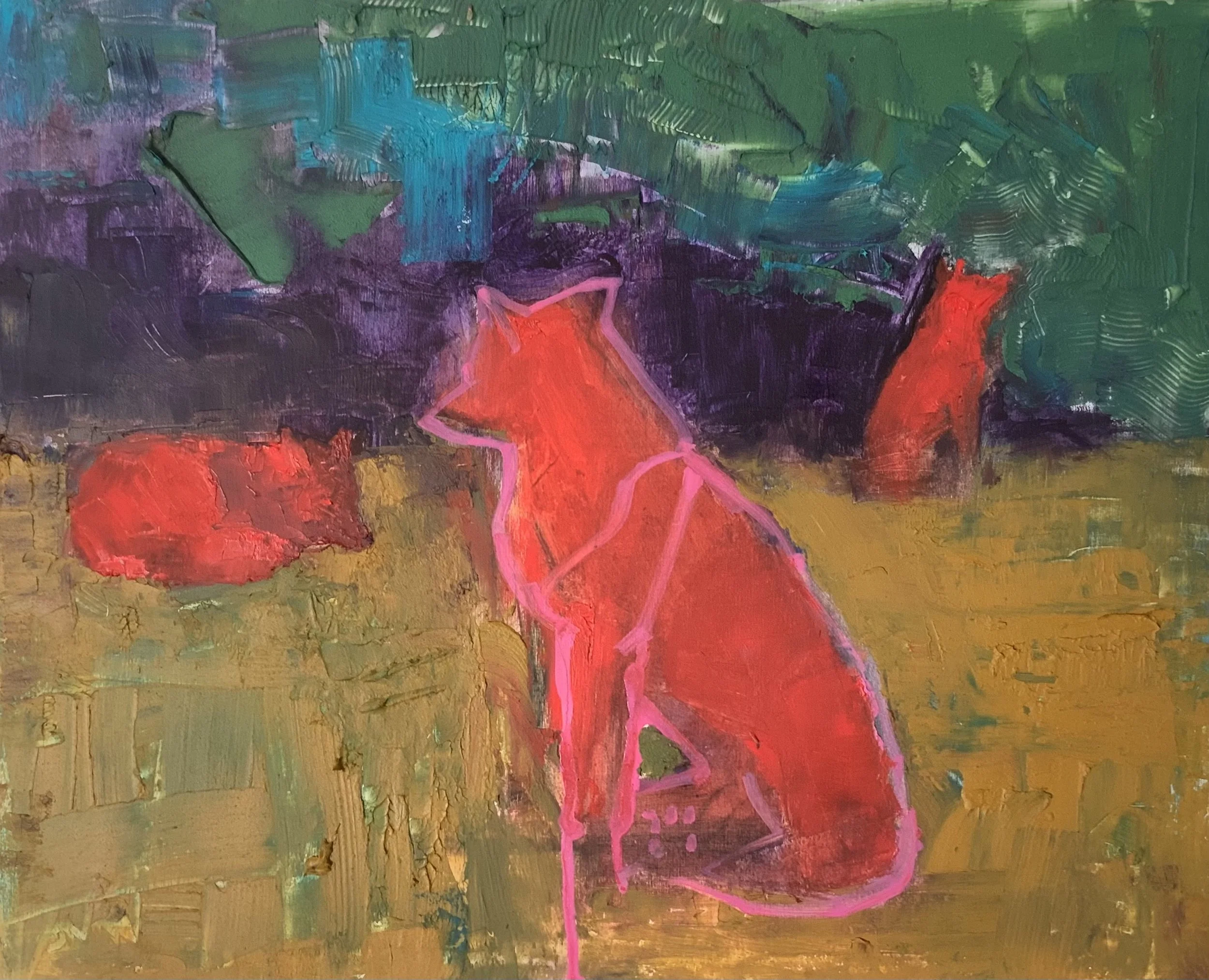
It really feels that way. A painting of family life in the midst of conflict. Do we choose to cower, ignore, or be the aggressor?

Pack Mentality 16x20 inches Oil on cradled panel. Available at Melt Studio Gallery.

Pack Mentality 16x20 inches Oil on cradled panel. Available at Melt Studio Gallery.
The third painting I completed was after the gallery had closed.
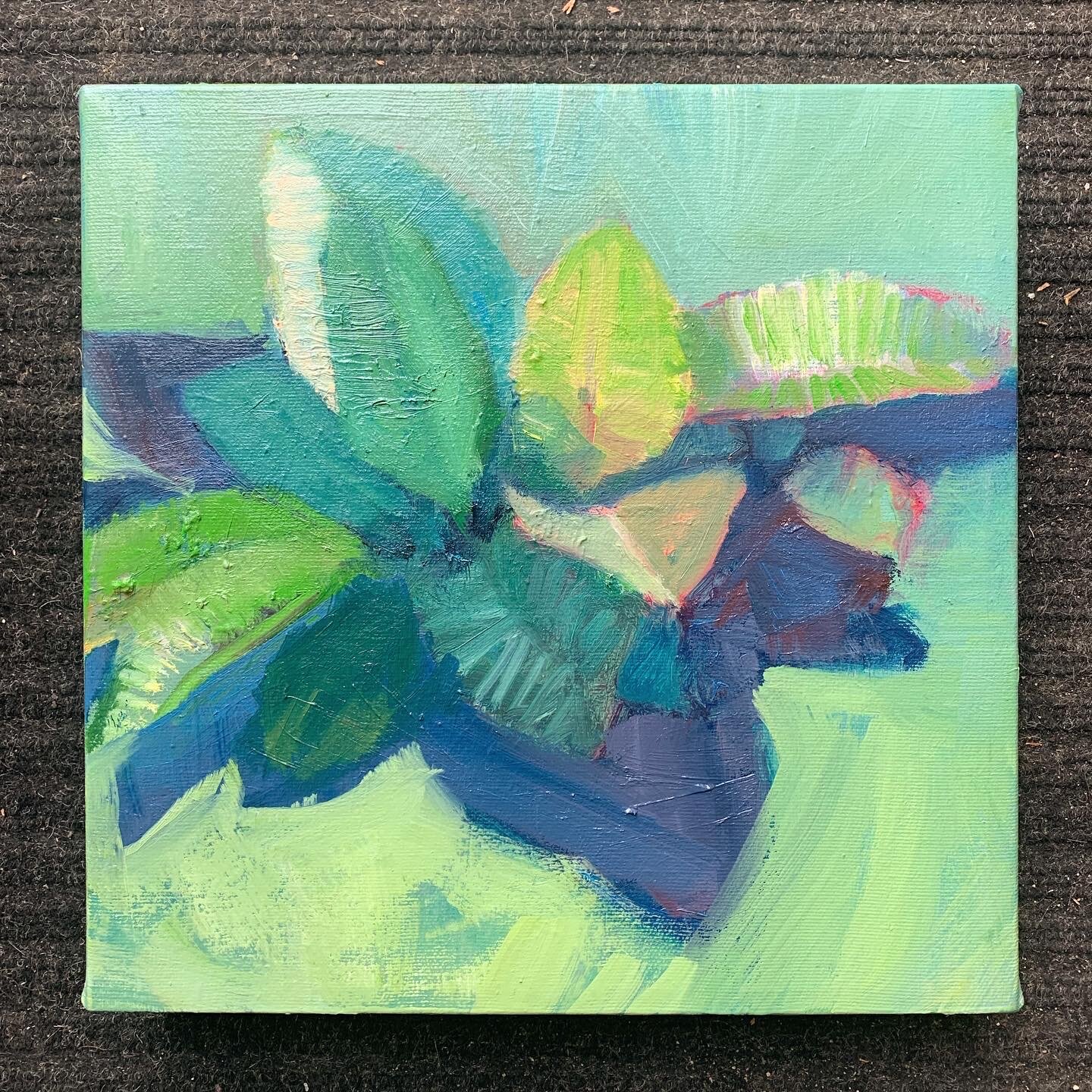
Lindsey and I had taken a bit of a siesta and decided to check out the exhibits. We were absolutely blown away.

After about 45 minutes we started to get so tired and I think it was because of the paintings. They were acting on us. Our brains were working overtime. Inundated with shape colour movement. So much information everywhere we turned. Being in a constant state of exultation was forcing us to nap.

I think what stood out to me was the works of Emily Carr on paper. One of my biggest inspirations when in school, and still. As a young animator at Sheridan college I felt like I had discovered a secret that not many new in her paintings. The ones on exhibit I had never seen before!

Sweeping strokes full of movement made with controlled abandon really gave me the motivation I needed to crank out one more painting.

I definitely was inspired and set up almost exactly in the same spot of the first painting I just changed the direction I was looking.

Not my strongest work that day but what a great finish to the amazing day.

The quiet exit of the museum staff head bowed in end of day reverence I couldn’t help but feel like a preacher looking upon the altar remarking on sermons gone by.

My altar the setting sun behind the trees.

The sculpture (I know, two paintings of sculptures) was a great river rock carved. The light for a moment shone perfectly through the thin wispy branches of pine to ignite the inner quartz spirit. The ghosts of a family on their way home were added from the original thumbnail.

I want to revisit this idea when my gas tank has a bit more fuel in it

Spirit Within, 20x16 inches, Oil on Cradled Panel

Spirit Within, 20x16 inches, Oil on Cradled Panel

The second painting I completed at the gallery was in fact the one that I had dreamed about the night previous and subsequently the one that was accepted into the gallery.

Now the at this point in the day, around 5pm, my brain was slow. It was hot, I was tired, the dream was a bit foggy.

The reason I keep referencing the dream is that where I was painting was so out of the ordinary from what I would normally paint.

Especially in a place, during an event, that is based on the group of seven’s paintings.

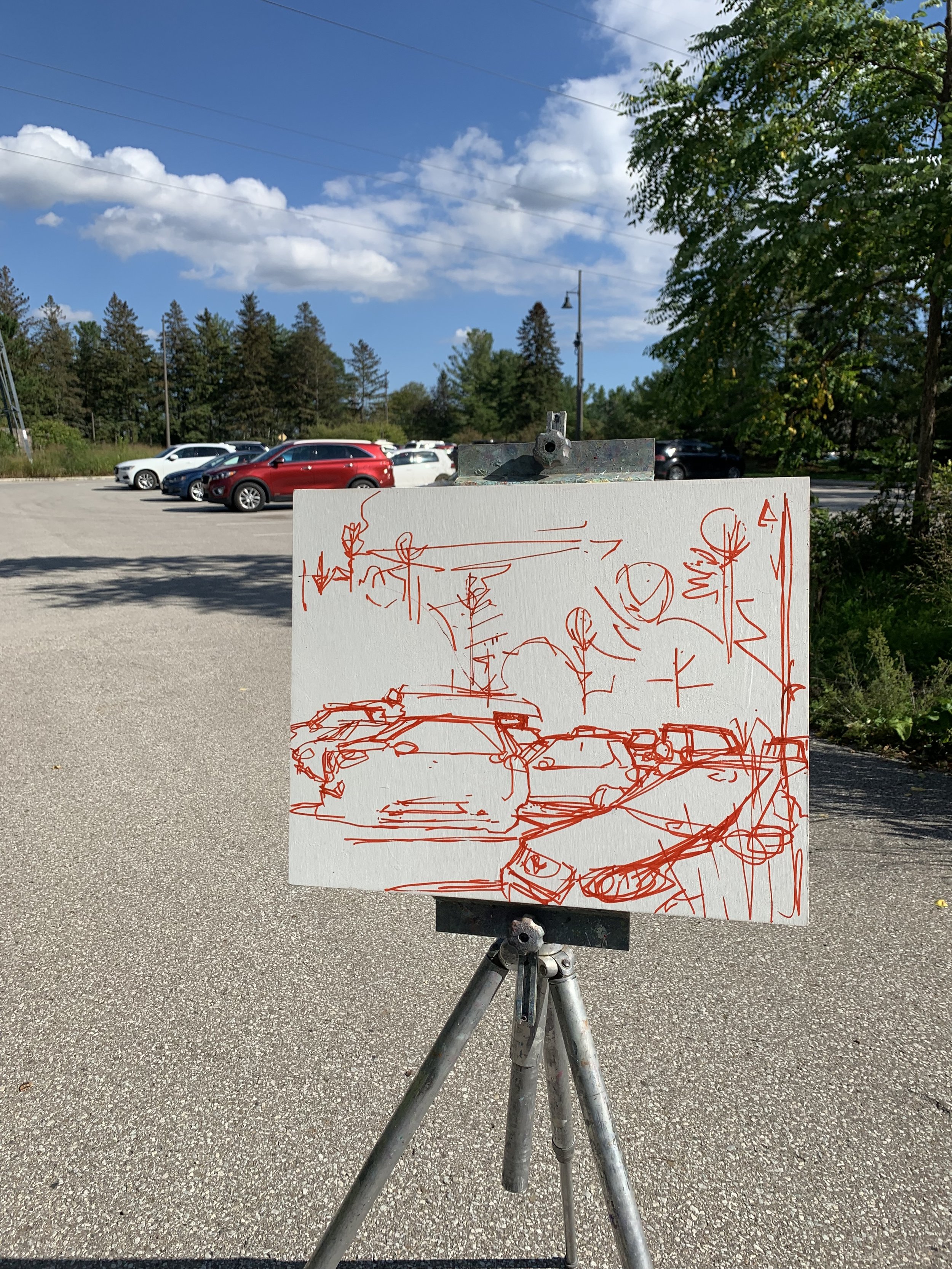
The Parking Lot.

The grey hatchback just above the top left corner is my car.

Decided to head back and get some snacks and set up shop. Such a strange location and one that was slowly disappearing as people started to leave.

Went for a leisurely stroll around the perimeter of the lot and kept looking for great angles.

Found the spot set up and prepared.

I wanted spontaneity so no thumbnails.

I wanted it to be unforgiving, drawing in marker.

The vibe felt so different from painting on a grassy knoll under cover of majestic trees so I had loaded up a Drake playlist on Spotify started warming up by dancing and bobbing my head to the beat.

Not what people would expect to see as they headed back to their cars.

When the moment struck me the first mark was the base of the cloud in the picture. Distilled down to a triangle.

Maybe this a good point to mention that Lindsey and I had gotten into an argument based off of being tired, misunderstanding each other, and the weight of our past experiences.

She was sitting in the car reading while I painted.

Both of us working through the internal tension

As I kept up with the mark making I started to understand what was great about that moment and our day that seemingly had taken a turn.

The clearer the under drawing was becoming so to was the view of my partner. Seeing her, multitude of varied experience that makes up the complex and beautiful person that she is, more clearly

That whole day from the moment we had left the house I had been viewing her through our past. All of the pain and hurt that we as humans accumulate and carry around with us was what I had been focusing on.

The moment I had finished the under drawing I stepped back and viewed everything at a distance.

The feeling of closeness, warmth, and unconditional love swelled inside of me. I realized my mistake.

Viewing her from the point behind my trauma. All I could see was her trauma.

This gift of this clear and concise truth that had been given to me really changed the whole approach to the painting.

Stripping down all the theatrics of creating a realistic looking painting filled with depth, light, and texture I needed a simple statement

A painting that portrayed a world where all things were coloured with the past

A painting that spoke to the moment of illumination.

Seeing her as she really is

I Can See You Beyond Your Trauma 12 x 16 inches Oil on cradled panel. Soon to be at the McMichael Gallery


The reflected light from the sky clear and powerful reflected in only one spot.

Where she sits in the car.

The drive home in the light of a setting sun exhausted from a powerful and busy day.

We arrived back at around 9 and promptly opened the bottle of wine and made some pizza.

A date that I will remember forever. Not just for the painting but for what I learned about myself in the process.

Being open to inspiration for me after this day really comes down to being open to where I am at

Meeting the world, my subject, and myself with openness

Not trying to guide or control the moment

but being a part of it

allowing change to occur outside of planning for it

Inner Landscape: A world of Black and White

—————————————————————————————

The idea of painting the

Inner Landscape

boils down to this one idea that I have noticed

The more I search internally

(through trauma work, journaling, meditation, and therapy)

the greater my success and understanding of painting

And to be completely honest

the searching and painting of the external landscape en plein air

really has felt like

therapy

where my

therapist

consistently draws connections from

the sweeping vistas

maze of trees

epic skies

back to what is happening

inside of

Me

Now good people may I present

Exhibit A

4 gessoed panels in the sun

4 gessoed panels in the sun

The 4 panels

would be the whitest a painting could be

if I was painting as close to reality as possible

essentially

white

right out the tube

Now lets try the opposite

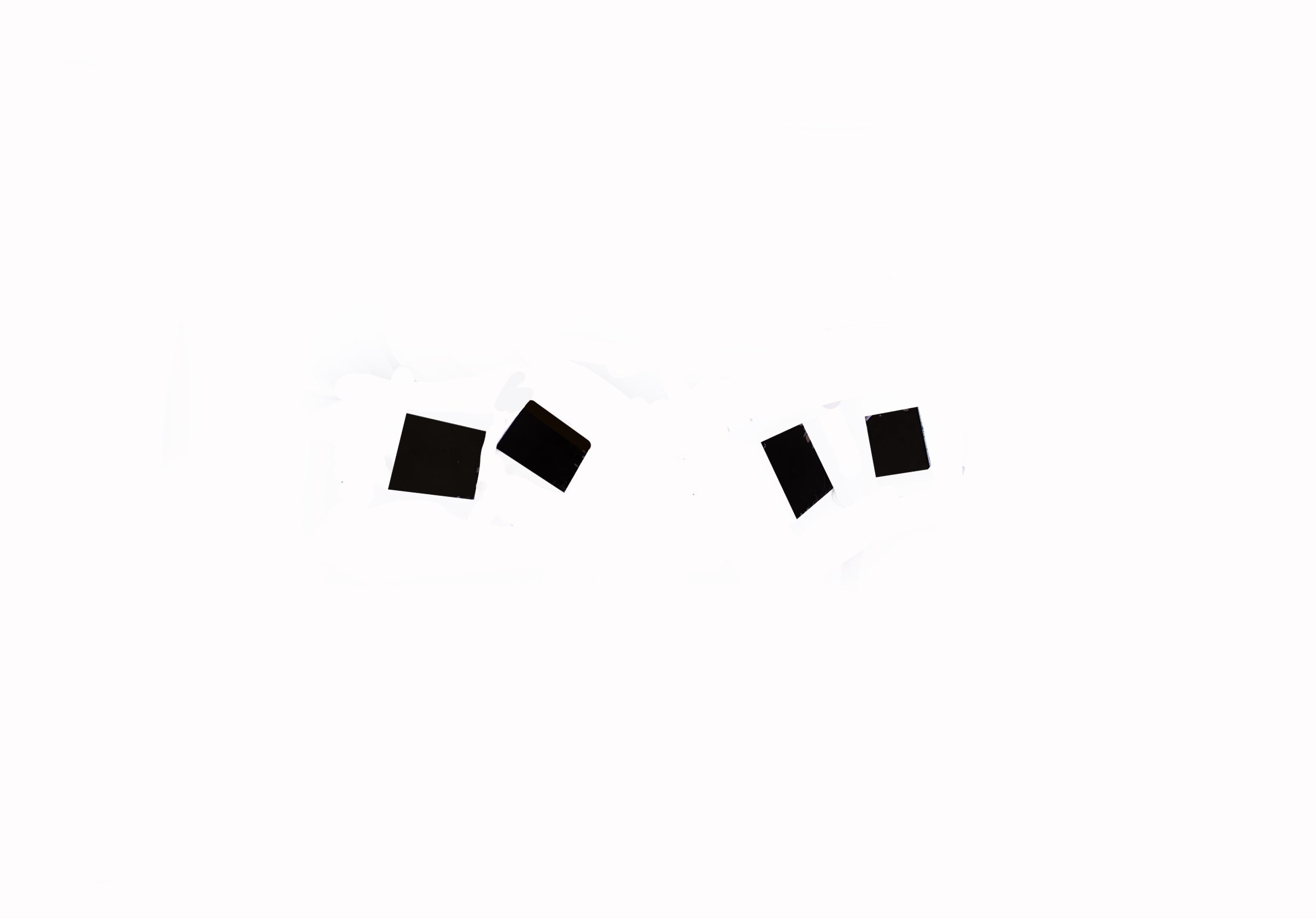
Exhibit B

4 black panels

4 black panels

4 panels

that if painted in a realistic way

would be using

black

paint right out the tube

It is so interesting the separate and distinct feelings that even just these two images evoke in me

it is visceral

The scene isn’t that interesting but

dang

I feel like I am

pulled

towards the

black

panels

Invited

into

four

different doorways

that lead to

4

new worlds

mysterious and alluring

Exhibit A

My body reacts almost entirely different

How those intense vibrant panels are pushing me away

four huge flat hands telling me to halt and head back from whence I came

Brrr

Shivers

Now

here are the images outside of a representational context

Reduced to its

Notan

(A Japanese concept originally, you should google it)

the rhythmic composition of

Black and White

Exhibit C

Notan #1 White on Black

Notan #1 White on Black

And it’s opposite

Exhibit D

Notan #2 Black on white

Notan #2 Black on white

How do these two images effect you?

What are your first impressions?

Is there movement?

Are you feeling happy or sad?

Which is more striking?

Take note

really search

within

find even the smallest

nuance

or

difference

The first reaction to an image

or scene

happens within

the first few seconds

If you need to take a break and come back to

look again

we want that gut reaction

having viewed

and gathered

the

emotional data

of your response

know that

in your

response

is the key to

Your

inner landscape

to what makes

you

tick

Exhibit C & Exhibit D

are the way we understand the world

at its most foundational

I walk out into the world

the first bit of information that my eyes gather

are these

Black and white

simple shapes

our physiology is set up

in this way

an evolutionary trait

that was designed to keep our ancestors

safe

in an uncertain

world

I feel like

Jay Moore

explained this to me first during my mentorship

Here is a technical article on the

physiology

Rods in the eye see Black and white, they are located in a way that are designed to work best in dim light and with the special ability to catch movement in the periphery. There are about 120 million of them.

Cones in the eye see colour and straight ahead detail. The Focusing part of the eye. There about 5 million per eye.

the rods

seeing in

black and white

are attached to our

fight

or

flight

response

The ancient part of us that was used to

protect us from

danger

keeping a watchful eye on our surroundings in low light situations

It is what we react to

first

it is the part of us that stops us

just in time

or

causes us to move quickly

without any cognitive thought

This type vision

is attached to our most

animalistic fears

and

desires.

This point is the clincher for me

as I set up to paint

beginning my thumbnails

I search the scene for

black and white shapes

intentionally

Viewing the fodder for painting

with a side glance

on the periphery

of my

field of vision

I have found honing this visual response and being able to view almost completely and continuously in this mindset

allows me

to view the world

through my most

foundational lens

my base fear

and

desires

are what I am reacting to

I scan my surroundings and

take note

my mind

ranks the importance of the information coming in

a hierarchy based

on what

I

fear/desire

the most

the visual data I accumulate

ascribed to my own emotion and bias

this is what drawing and painting does

It is the forming of an artist’s

visual voice

I am gathering data on how simple shapes of light and dark effect me

I am equating my foundational fears and desires and the emotions attached to them to the visual markers that initiated them

White squares on black

or

black squares on white

and the emotions they evoke

Now

the painting or drawing has my unique voice

interwoven with each mark

the more I progress

the more my visual language grows

and

the more uniquely me the image Becomes

What I desire or fear the most generally gets the most attention

the same goes to the painting or drawing

for example:

Drawing a tiger

in the wild

what do I focus on

the stripes

the teeth

the eyes

the threat?

The same goes for a misty valley

Or a beautiful face or

a car crash

what do I focus upon

What gets my attention

It is in these drawings and paintings that I can see what i fear and desire the most

what am I emphasizing?

what am I downplaying?

the answers

to who I am

as a person

can be found in the lines and strokes, colours and shapes, of my creation

and at the same time

my

visual voice

becomes

raw

honest

visceral

A signature that is inexorably tied to

my

self

Limiting Beliefs: the first hurdle in creating art

  • There is no point to painting things from life

  • Using photos is a waste of time

  • You shouldn’t use an eraser

  • Photoshop isn’t painting

  • painting landscapes is pointless

  • Doodling isn’t drawing

  • cartoons aren’t art

  • you won’t make money

  • you can’t use white paint with watercolour

  • Abstract painting is for people who can’t draw

  • people won’t be interested in your work until you are dead

  • there needs to be an artistic statement to paint anything worthwhile

  • and so on and so on

I’m sure these statements (or others like them) have either been over heard, said to you, or maybe even echoed inside of your head.

Perhaps you have even ascribed to some

At their best:

these statements boil down to a rule that is meant to bind or box a person into creating within a set of boundaries

which some times is a really good thing

we all need rules if only for the chance to break them

At their worst:

these “rules” are designed to crush our artistic drive, belittle our creations, or stop us altogether from painting

they are limiting beliefs

saying to a child that they are too short to play basketball is a limiting belief

and we can all think back to a time in our youth when we were told that we were

“too short to play basketball”

Now I could wax poetic about the need for outside pressure

how a piece of coal needs all of that pressure and heat to become a diamond

but we will save that for the spiritual side of instagram

The reason I bring this topic up is as a reminder

to myself

Rules are important up until the point that they stop me from creating

Even some technical rules to painting can be disguised limiting beliefs

  • Under drawing/no underdrawing

  • brushes vs palette knives

  • planned out or in the moment

  • Painting a subject or object

  • representational or non-representational

  • photographic reference or none

  • please insert as many limiting beliefs as you need to drive the point home

Limiting beliefs stop us from clearing the first hurdle in painting

And make no mistake

there is only one real hurdle to painting

and all of the limiting beliefs

whether

technical or intellectual

Anchor us to the ground

so

Without further ado I present the first hurdle:

To make painting a part of your everyday life

Some times a day of painting looks like:

  • sitting on the couch and reading

  • drawing

  • going for a walk

  • cutting up magazines

  • writing in your journal

  • breaking down colours in life to coincide with tubes of paint

  • discussing with another artist

  • thinking

If painting is the physical act of creation

Then the first hurdle has more to do with keeping my mind and spirit open to

creation

Whether you believe this or not

you have the seed of creation within

and guess what

the universe is rooting for you

it is constantly communicating thoughts, inspiration, motivation, and ideas

to help water and nurture that seed of creation within you

so that it may grow


the first hurdle:

making painting/creating a daily practice

Translates roughly to:

Keeping the door of creativity open


limiting beliefs are really good at shutting the door


The question I find I am always asking:

(even as I type this)

Is my door open?

The novelty of creation: Finding the Muse

Novelty

the quality of being new, original, or unusual

Creation

the act or process of bringing something into existence

that something may be any thing

Cookies

(I might need to eat soon)

A poem

Song

Mood

or heck even a painting

The novelty of painting is a wonderful feeling and fantastic motivator

new colour

palette knife

Fantastic light that is fading quickly

new location

still life

or model

Novelty keeps it fresh

At its core novelty really seems to be about triggering the sense of discovery or curiousity witching myself

an easy and concrete way I keep the novelty alive is to continually ask

of the materials I use, the motivation behind a painting, and ultimately myself

This sense of discovery helps pass, what I consider the first substantial hurdle in painting

Consistency:

Being able to work towards a goal everyday

I used to limit myself by thinking that consistency meant having to paint everyday

I say limit myself because what I eventually found was that the most efficient path for growth meant spending time without a brush in hand.

Now, whether that meant:

drawing

Exploring the work of other artists

reading

writing

or

Enjoying a pizza (I definitely need to eat)

it doesn’t matter

All that matters is continuing the journey

following the path

catching the next big wave of inspiration under the guise of novelty

Read that again

Novelty is disguised inspiration

Perhaps you felt, while reading this note, that novelty seemed a little trite when speaking of art, expression, and inspiration

It was meant to be

speaking of finding inspiration, or the muse, in art is all well and good when you are inspired or in direct contact with the muse

but the moment I have”lost” that inspiration the conversation takes on a more sinister tone

All of a sudden I feel lost in a sea of apathy

removed from my passion

my love…

I am a bit dramatic but I wonder if you have felt the same?

The low hanging fruit of novelty gives me an easy entrance back to the

muse

In fact that fruit is the main fuel which keeps me motivated no matter what road blocks appear:

being tired

impostor syndrome

Negativity

I just reach up

pick the fruit

and take a bite.

try some for yourself

How does it taste?

Representation vs Abstraction

The difference between abstraction and representation in paintings

Abstraction: portraying ideas as subjects

Representation: portraying objects as subjects

Studying from life, especially the landscape, it becomes quite apparent early on how much of what we are looking at is the amalgamation of abstract shapes

In fact the great magic of humanity is to take the infinite amount of abstract visual information in the world at large and to change it into an ordered and recognizable world

As painters we must search the planes of abstract plane of visual information

How does what you see in your mind differ from what is found in the world?

Now these may or may not be the same thing.

It is for each person to decide and if you wanna get deeper you may or may not have to take me out for a coffee 😁

When we look out into the world we must understand that it is entirely our control whether or not we recognize objects

Think about walking down a lonely wooded trail under a full moon. Every tree stump or shadow becomes an animal, villain, or monster

The abstraction of the forest at night becomes a representation of our FEAR WHETHER it is actually real or not

This is the secret to evocative painting that ignites emotional response in the viewer

Studying painting from life we must let go of objects and subjects and see the world as it is…

Abstract, chaotic, uncontainable

In this way we can evoke in the viewer what it is we have evoked in us while painting

Everything else is symbol construction

Learning to paint representationally is more about learning how to trigger symbol construction through the abstract use of shape, value, hue, saturation, and edge

Representational skill is equated to the believability of an image within the viewer

Now take note:

it doesn’t matter whether you paint abstractly or representationally

All that matters are these three questions:

1)What are you trying to say?

2)Who are you speaking to?

3)How are you going to get your point across?

Well…?

The Question of Painting Better

understanding painting and drawing

especially the process on how to reach the end goal

(a finished image we are “happy” with)

is really just

the art of asking

questions.

AND

these questions are the basis for visual study

Studying:

the search for

The foundational Visual elements

of what it is you are looking at

so

You can begin to see what is in front of you


Painting a realistic winter scene of naked trees

or

Painting an abstracted complex branch latticework

how might the painting be hindered or aided by:

working from a photo

verses

standing in the cold drawing?

What information is carried in a photo and available to our senses?

verses

What information is available to us (and our senses)in the moment?

which is better suited to assisting our aims in creating a painting?

find the easiest and most direct answer to a question

the more you ask

the easier

the process gets


Start in the most

unlikely places:


WHy am I painting Trees?

WHy not?

WHat is the difference between a tree in summer verses winter?

Is the difference purely physical?

DOes the particular season of the tree aid in my artistic expression?

How does a tree in winter verses Autumn look?

How do those physical characteristics effect me emotionally?

Which characteristic better aids my goal?

What am i trying to say with this painting?


Already with just those few questions the image

which I’m sure you weren’t thinking about before this article

is already becoming more

clear


That is really it!

Becoming more clear in the direction you wish to go

A visual roadmap


Like all road trips it is your decision on where to turn

change direction or even

stop

An artist can choose whether or not to stick with convention

but movement in any direction

is easier if you are standing on a stable

foundation


Good Luck

and as always

try and have

Fun!

Creative in a Quarantine

I’m sure that during this pandemic changes are occurring in everyone’s life. Whether you consider yourself a full time artist or once in a while creator doesn’t matter, the lock down has a withering effect upon creative output if left unchecked.


After the first days I noticed that my artistic practice had changed. I asked myself

“What was the driving force behind my creativity?”


As a landscape painter who finds inspiration En Plein Air the answer seemed simple. The lockdown prohibited me to leave En Plein Air (outside). Infinite landscapes had all been taken away. The ease in which my muse was to be found anew, each time I left the house, was now gone.


There it was, the issue that stifled my creative output:


I require change.


If the avenue in which I found inspiration had become closed I must switch streets.


Over the next week I came up with several artistic aspects that could change and provide inspiration.


My Creative Quarantine Top 4:


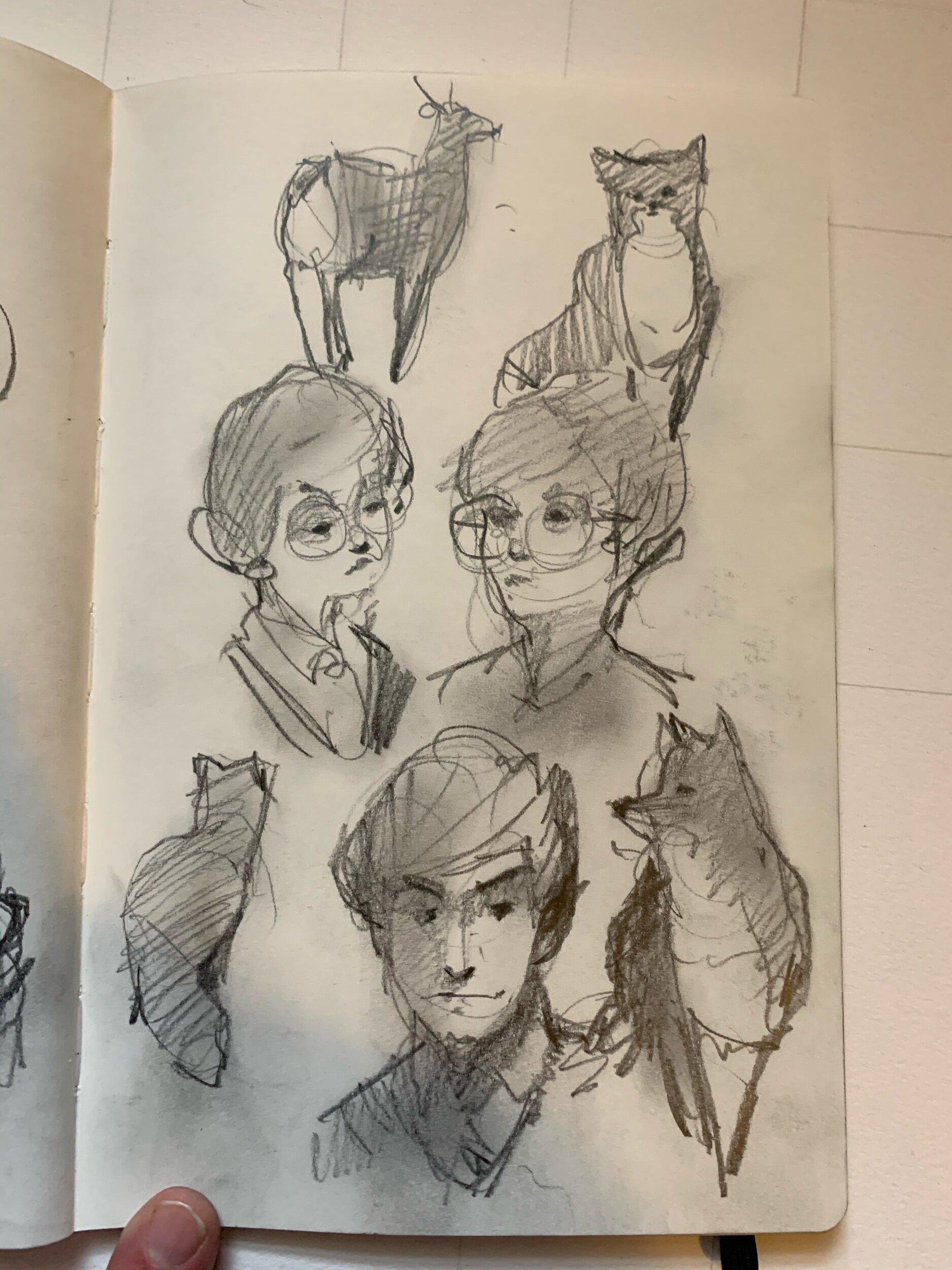
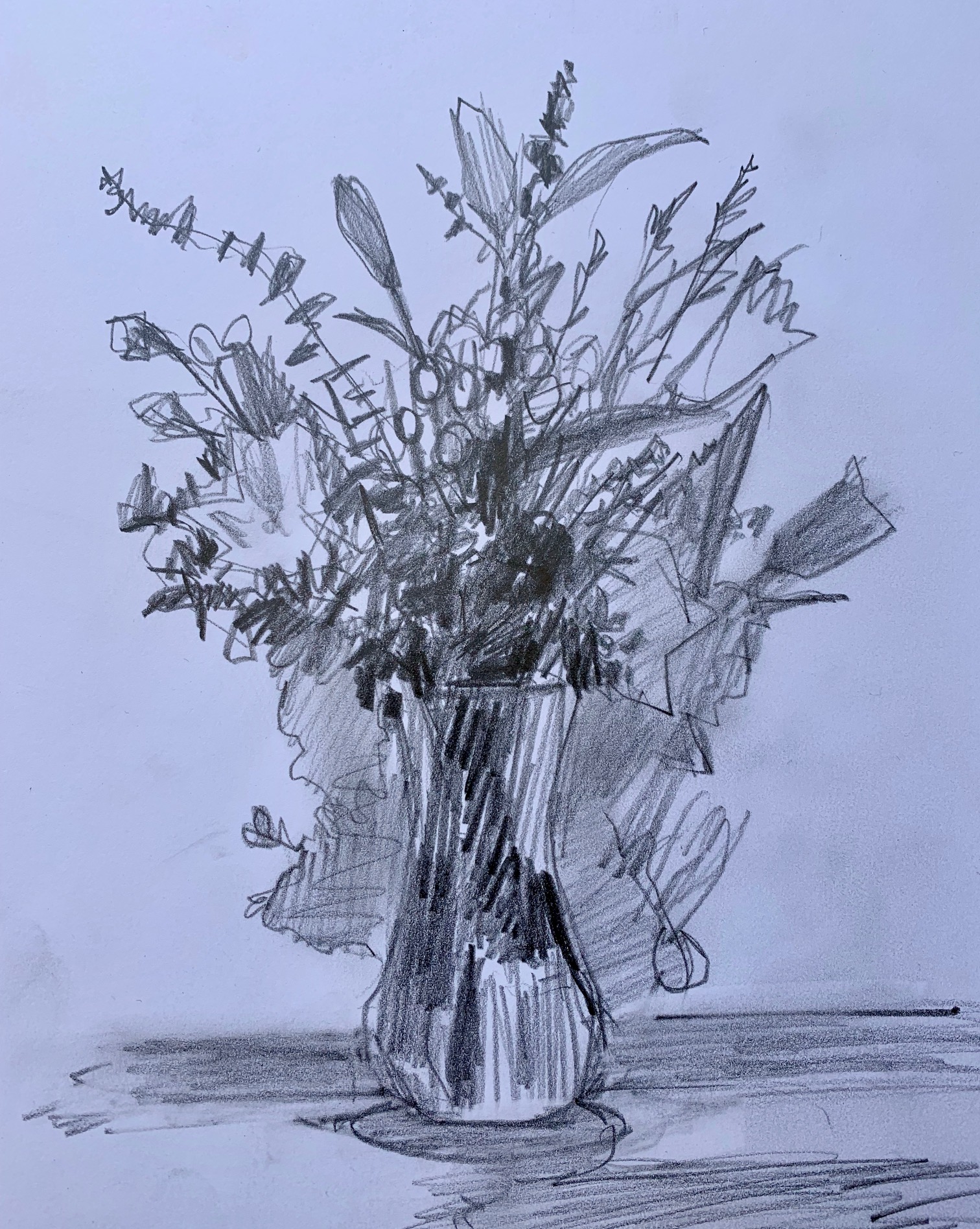
1.     Change the Subject- Drawing houseplants like people. Regardless of whether it was a subtle or gross shift in light, or even the movement of leaves these plants are alive. The change from still life to portrait happened very quickly. Guiding me to view a world that I once thought of as inanimate and boring, into alive and filled with energy.


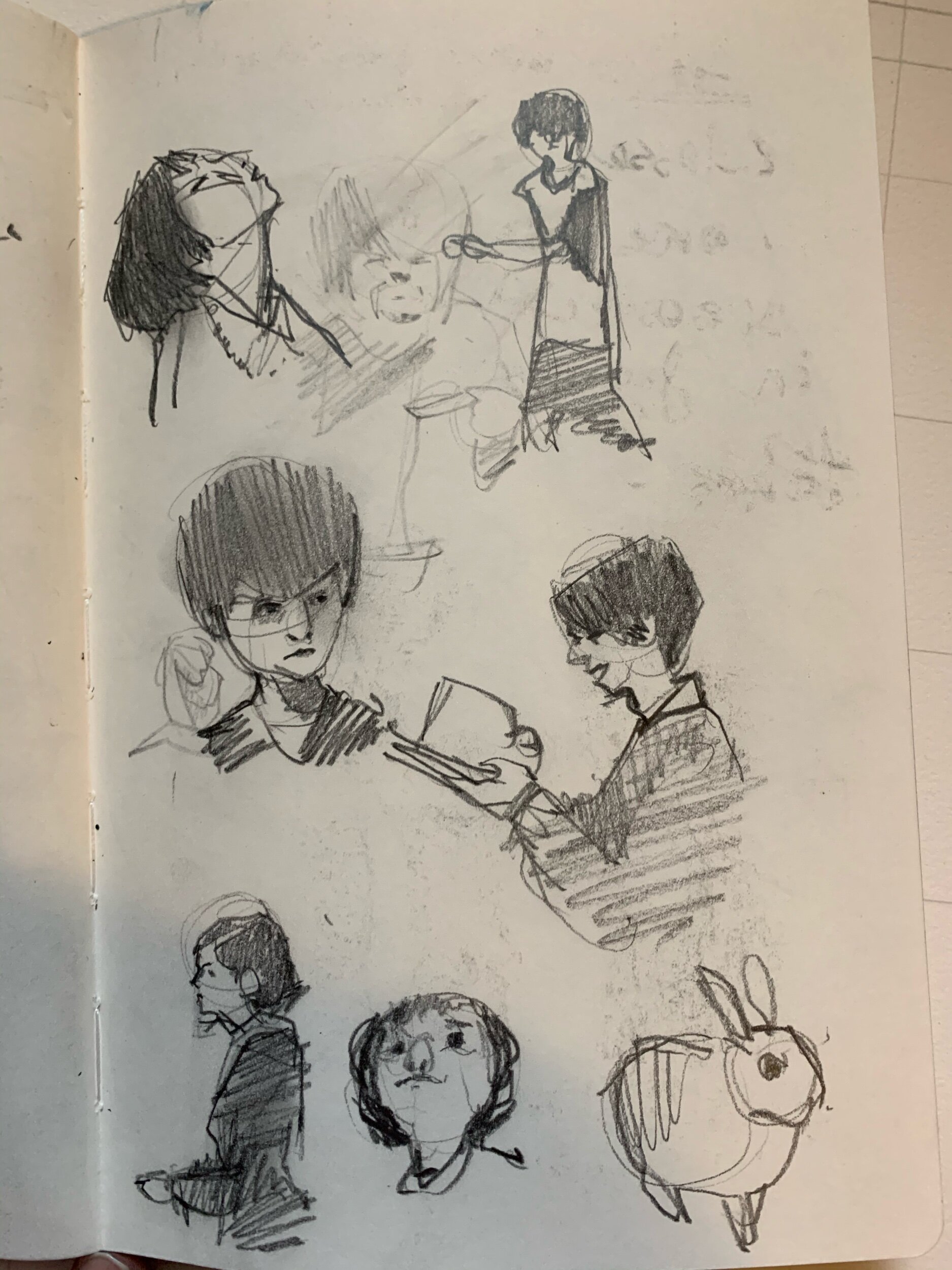
2.     Drawing from Netflix: One of my favorite exercises was sitting among a crowded area and trying to capture a person’s essence in a lightening fast gesture drawing. I’ve been watching a lot of movies, more than normal. Using the actors as models has been fun to try and keep up with my pencil. Treating the gestures as shorthand, I go back and see if I can fill in the structure after the fact.


3.     Change Materials and Tools: It started with all of my pencils being dull with the exception of a prismacolour and The experimentation hasn’t ended yet. Having to work differently because you have stepped out of your comfort zone is an easy way to inspire new ways of thinking. Wyndham Art has been open for delivery and pick up for the majority of this quarantine. Just Saying 

Mark Making is different depending on who/what is making the mark

Mark Making is different depending on who/what is making the mark

4.     Relax: have fun and keep it simple. It’s easy to forget.

Kick back and enjoy some quality time. Benga and Thirteen not included

Kick back and enjoy some quality time. Benga and Thirteen not included


Making Sense of Shapes

Created this video in to stay clear while painting and work through ideas

Be forewarned not the greatest sound quality but still manageable.

Hope this hits home with you. As always I welcome any feedback or discussion. 😎😎😎

Excited to get at this study and push it even further

Finished in under an hour and what I’m impressed by is that the painting makes sense at all considering all the talking

Finished in under an hour and what I’m impressed by is that the painting makes sense at all considering all the talking

The Art of Asking Questions

A large part of being human is asking questions

Our survival

 and forward progress as a species

depends on us being able to

ask

regardless if there is an

answer

to be found


Forever question the world that surrounds you

Forever question the world inside of you


So how do we know which question is the correct one to ask?


The “right” question is malleable

one link

in a chain of

questions

A chain that leads

to an

anchor

steadfast in its position on the ocean floor.

or perhaps

to a life raft

dancing upon the surface of sunlit waves

In painting and art

whichever way you follow the chain makes no difference

it is only important that you follow


Make no mistake

This is about asking questions

not

about finding answers


answers

will always come

whether we like it or not

but

questions

may not

and

a singular all encompassing question

is the death knell for

creativity

For as the questions stop

so to the

progression


Momentum

is what we are after.

An internal discussion

fueled by the last question asked

Singular questions cause

stagnation

and

when something stops moving what happens?

atrophy


The mother of all stagnate questions that plagues us as creators

Is this painting good?

will follow us throughout our artistic life.


it is the biggest

cop out

to free and individual thought

which

is the very

foundation

on which artistry is built


“Good”

an entirely subjective piece of data

that offers nothing

but

fuel for the

ego

Good is a fish to be caught

and

mounted on the wall

For artistic and technical growth

we need more


What does it really mean when we ask if a painting is good?

For if good is entirely subjective

then it follows that the

answer

is measured against the value you place upon the

questioned


The difference in the perceived value of answers given by

a loving grandparent

and

a major gallery curator

is obvious

Lord help those of you that have a Grandparent who is a Gallery curator


Go look at your last painting or drawing…

(in fact anything that you have created whether dinner or term paper)

don’t worry i will wait

Now,

ask yourself if it is

good

Got the answer?

Regardless of whether it ends up being

good or bad

we

are left in a

vacuum


Okay


go back to the work that you originally asked the question of

now

Instead of asking if it is

good

try instead

What is the reason for creating this painting?

if you have a reason perfect

if not

you need one

doesn’t have to be high and mighty

it can be simple

for example

“I wanted to study the way light reflects off an apple to create an image that creates reality in the viewer”

or

“because it feels good”

or

“it’s a project for school”

or

whatever

once there is a reason for creating the work the question becomes…

Does this painting communicate the point, feeling, emotion, concept, or opinion that you are trying to get across?

If yes

amazing

go ask someone else if it meets the criteria you are seeking

       If the answer you are left with is              


no


What doesn’t align with your intention for creating the image?

Putting paint to canvas with no intention or concern for outcome is a wonderful experience and may or may not be enough for you.

But

make no mistake

Image creation

is not

Art

Image creation

is the language that a painter uses to voice their expression

and

Art

is the process of using that language to voice your expression

asking questions of one’s

self

and work

are the only way to create a unique voice

when we ask broad questions Of people

(i.e. Is this good?)

we are unsure of what it is we are trying to say

and

hoping for some insight


we are asking for others to define our

voice


the next time

someone

including your

self

comments on a painting

as being either good or bad

inquire what, in particular, is good or bad

In this way skill and technical mastery in painting becomes

secondary

and the search for

a clear and succinct voice

becomes

primary

Which seems more logical and valuable in the pursuit of Art?

acquiring the ability to make things look

real

or

Discovering that the answer, to voicing your expression clearly, is

creating a

realistic image


Take for example a recent conversation that occurred with artist @brunovista and myself:

Bruno1.PNG
Bruno2.PNG
Bruno3.jpg

What was the conclusion?

It wasn’t for me to know

like most questions you ask

the

answer

is only for

yourself


If ever you feel

stuck

while painting

it is not

that

a skill

is lacking in some way

it is 

that

our

question

is

too broad


Vague questions

give

vague direction

we move forward without a clear purpose

the difference between

How are you feeling?

and

Are you comfortable in the heat of the afternoon sun?

so

the question is…


What’s stopping you?

Subject verses Object

What is the difference between subject and object?

How does our definition of them impact the way we view the world around us?

Which, as artists, is of supreme importance.

For the way we view the world is directly related to

how/what/why/where/when

we paint.


literally speaking

when dealing with nouns

a Subject

performs the action

while

an Object

receives the action

A succinct definition when dealing with sentence structure but a bit insidious when used to define our relationships with one another.

When we are painting

A subject is why we paint

and

An object is the physical manifestation of why we paint

Here is the confusion:

  • A Subject is not an intriguing face, a beautiful landscape, still life or any physical item in front of you.

    or

  • A Subject is not shapes, colours, or any means of scribbles or mark making, no mater how abstract they may be

A Subject is two fold:

1)the motivation that compelled you to pick up the brush in the first place

2)the idea, message, emotion, or opinion you are evoking in the painting.

So the question arises:

Are you painting Objects or Subjects?

The difference between

You painting a picture of a landscape

or

A landscape that inspires you to create a painting

Now

think back to the grammatical definition

a subjective noun is responsible for the action

while

an objective noun receives the action

In the first example

you

are affecting the outcome

and responsible for the action

putting information onto the canvas

in the second example

you

are being effected

and receiving the action

taking in the information

How do you think the difference between

receiving and giving

information

might impact a painting?


When painting if you’re goal is

understanding

(which is the case when studying the world)

you must become

the object

The surrounding landscape effects change in you. The world, regardless of whether it is deemed alive or not, is constantly impacting

you


If you are talking it is impossible to listen


The Universe

reveals secrets

It is up to us to

listen

becoming the object means that you are

listening

only through listening are we able to move past the world of symbols and truly


Next time you pick up a paint brush and step forward to the canvas ask yourself:

“Am I willing to be changed?”

for at the heart of change is

To be inspired by the world that surrounds you

means you must be

vulnerable

letting the shields down

allowing the

boundaries to thin

and

dichotomy

to fade


the self merges

with

the universe


and

true understanding will follow


What are you waiting for?

Relinquish

control

because

In terms of Artistic success


how you see is more important

than

what you paint


notes on the video


It is interesting to note that my ability to speak on painting dwindles and becomes impossible when relinquishing the control of subject verses object. When becoming the object I am so busy receiving information from the surrounding landscape that it is just not possible to give anything

You can actually pinpoint the moment when the transfer happens through my silence.

Defining Art and Finding Your Inspiration

Inspiration: The process of being stimulated to do or feel something

Art: The conscious expression of a thought or idea through a learned skill.

Creation: Bringing some thing into existence

When we are inspired to create nothing feels more natural. We cannot even imagine that life could be any other way. The inspirational force is so all encompassing that there is little room for anything else other than creating

When we are uninspired, the quagmire of self doubt and idleness can be so overwhelming that many of us have given up creating altogether.

Inspiration is an external force that manifests internally

SO why are we inspired to create in the first place?

AND

How do we get inspiration back when it leaves?

All of this can be answered with a simple analogy.

It’s the middle of the day at the edge of a gravel side road surrounded by farm fields. Standing at the end of a driveway the expansive overcast horizon is everywhere you look. The air is still in sound and movement. Your gaze falls from one mundane view to another.

Without warning a short burst of light shoots out from among the dusty gray stones at your feet. Beginning to study the spot from whence it came you become engrossed in the chaotic gravel. Seeing another flicker, out of the corner of your eye, causes your head to snap left. Shuffling along the edge of the road you begin to search for the source of this light but it has left again. Moving along looking down you intently search. An unseen world emerges. Depth and texture create expansive vistas and bottomless caverns.

Suddenly the whole road begins to sparkle with light. The wonderous beauty draws you, like a lure does fish, into the road. Upon a bed of twinkling stars you find yourself. What is it that causes the light to emanate from this once dull gravel.

Kneeling down a closer inspection reveals that this light is reflective. It was so obvious how could you have thought otherwise. Tilting your head back you see that the overcast sky has opened up.

A break in the clouds.

The intense mid day sun has illuminated the once dull road.

and that’s when it hits you

the car speeding down the road

you never saw it coming

Inspiration is the car that hits you

if you are looking for inspiration it will never hit you.

You would see a car from far away speeding down the road.

You would never step in its way for fear

true inspiration is frightening because at its foundation is change

It is the only way that something new can come

The first step is putting yourself in the way of inspiration

how do we do this?

like the lonely country road

step into the world.

study what is around you

see what you can see

become so engrossed

that the idea of being hit by a car is no longer in your mind

only then will it come

and

it will always

come

An Artist's Toolbox

The other day at my local art store a question was raised, essentially it boiled down to this:

What material should I use to create amazing art?


A great question and oneI have continuously struggled with. Here is the short answer:


I had just finished an early morning drawing of the Royal City Mission on Quebec St.

public.jpg

After about 30 minutes I felt complete on the image and went to the art store to purchase frames. At the till checking out a student and his mother showed up and they were admiring the drawing.

drawn with a Lyra water soluble graphite crayon on 110lb Staples photocopy paper

drawn with a Lyra water soluble graphite crayon on 110lb Staples photocopy paper

They kept inquiring about which paper was the best to draw on? I gave them an answer that I thought would make sense:


whichever one is available


The materials should matter very little when drawing and painting. If it is the material that is making the piece work then the artist is not.

When it comes to studies, understanding and exploration

It is better to do 1000 drawings on paper that is one cent a sheet

verses

1 drawing on a thousand dollar piece of paper

Especially at the beginning of your journey. Allow yourself to make mistakes. Let yourself be free to dive head first into the ocean of painting and drawing without the fear of drowning monetarily. There are enough hang ups surrounding visual art, why add one more to the list.

So now the question becomes:

when is the right time to start worrying about material?

Answer

when it is the right time

The most important tool when painting and drawing is

curiosity

It doesn’t matter in what aspect

subject matter

materials

techniques

speed

it all needs to be approached in the same way.

The sense of discovery will never steer you wrong. It will always let you know when it is time to switch an aspect up about your artistic journey.

Materials will come and go. In the process you will learn that each has their own faults and attributes. Only considered faults because they work against your aims and attributes because they work for.

And guess what?

your aims will always

change


Take for example paper.

There are so many different types it staggers me to even think of trying to simplify the choices.

A major deciding factor should be the difference between surface texture. The feel of the paper. It will be either Hot or Cold press. Hot press is smooth while Cold press is rough. Remember one is not better than the other, they just allow for different results.

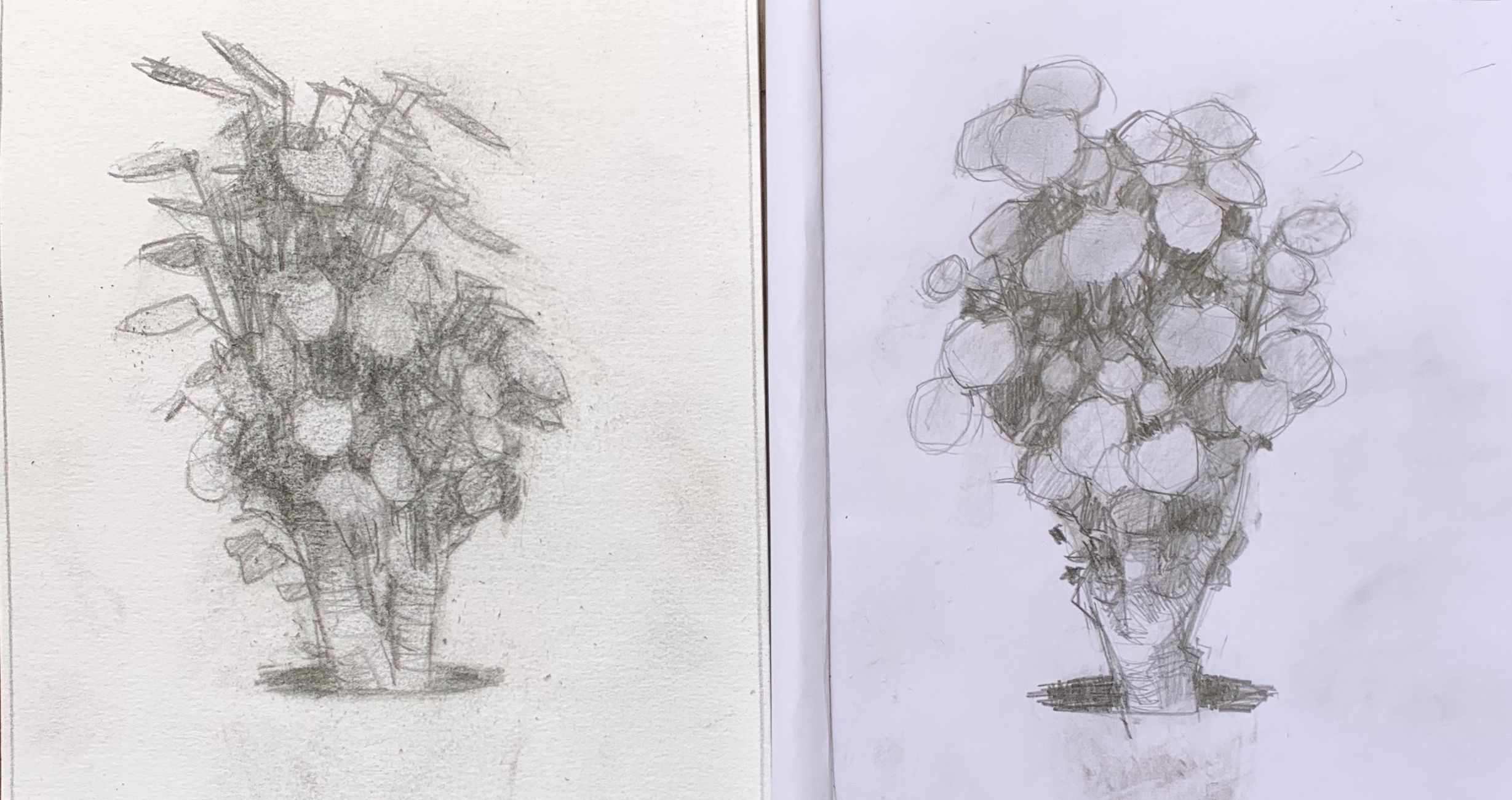
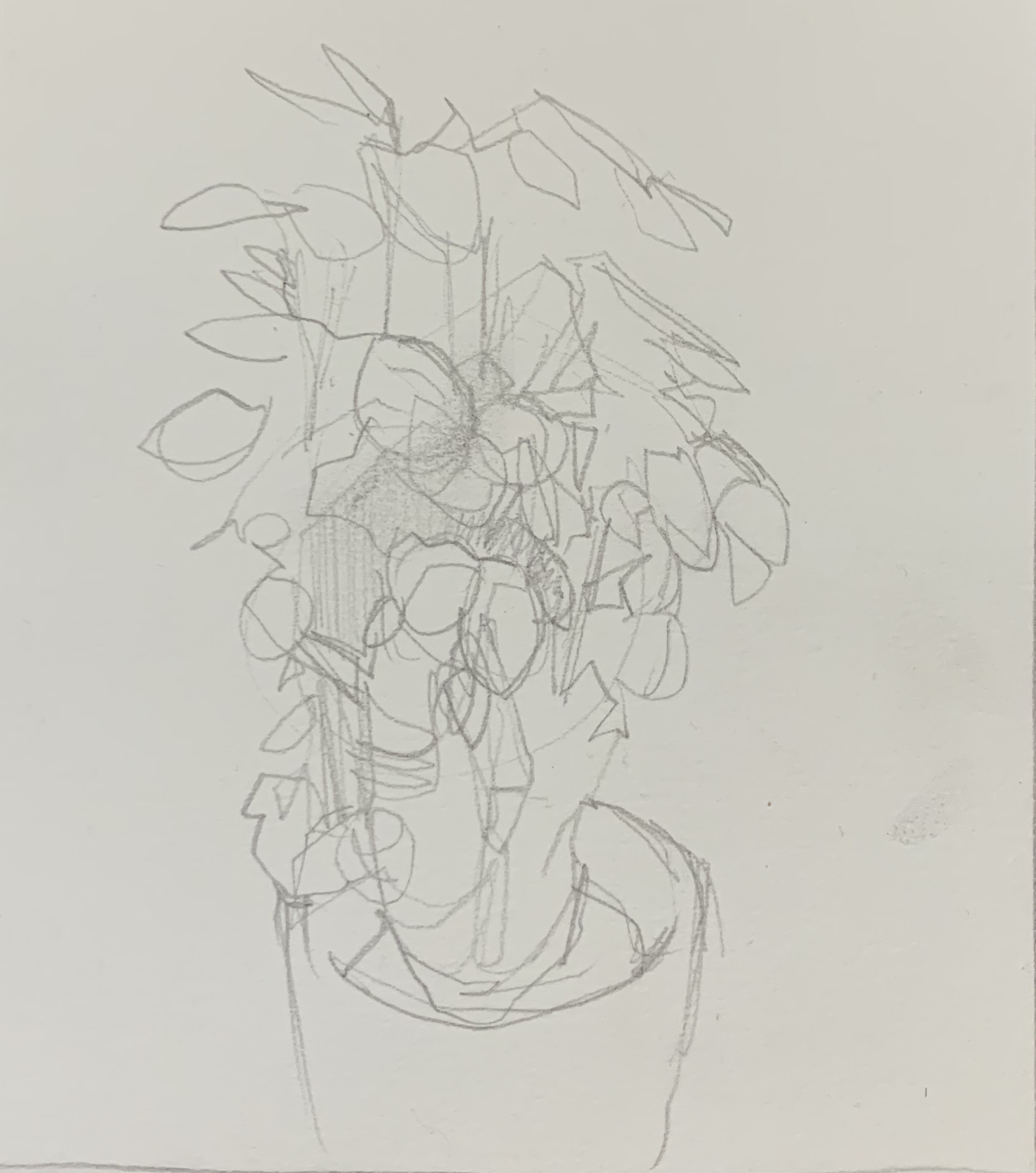
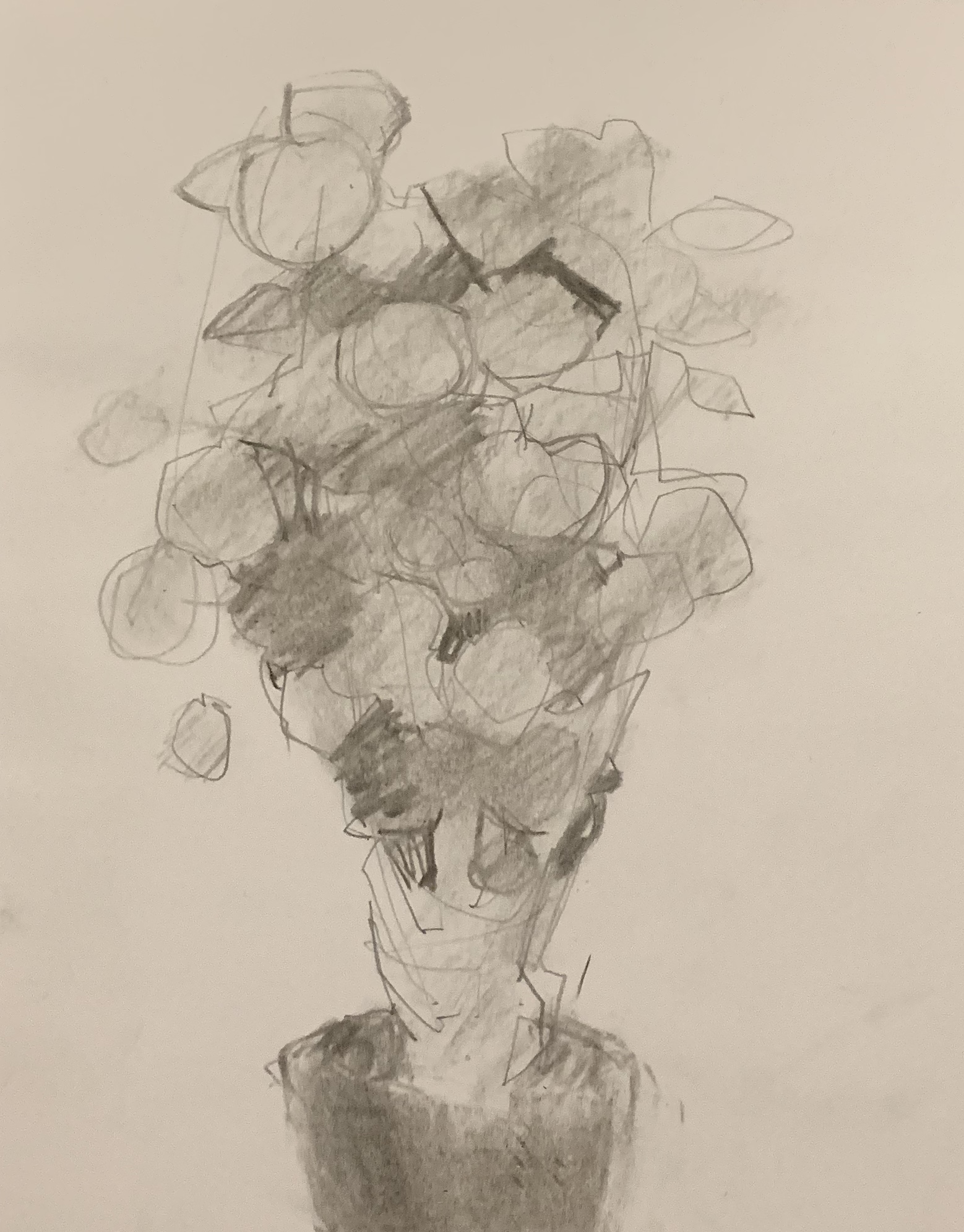
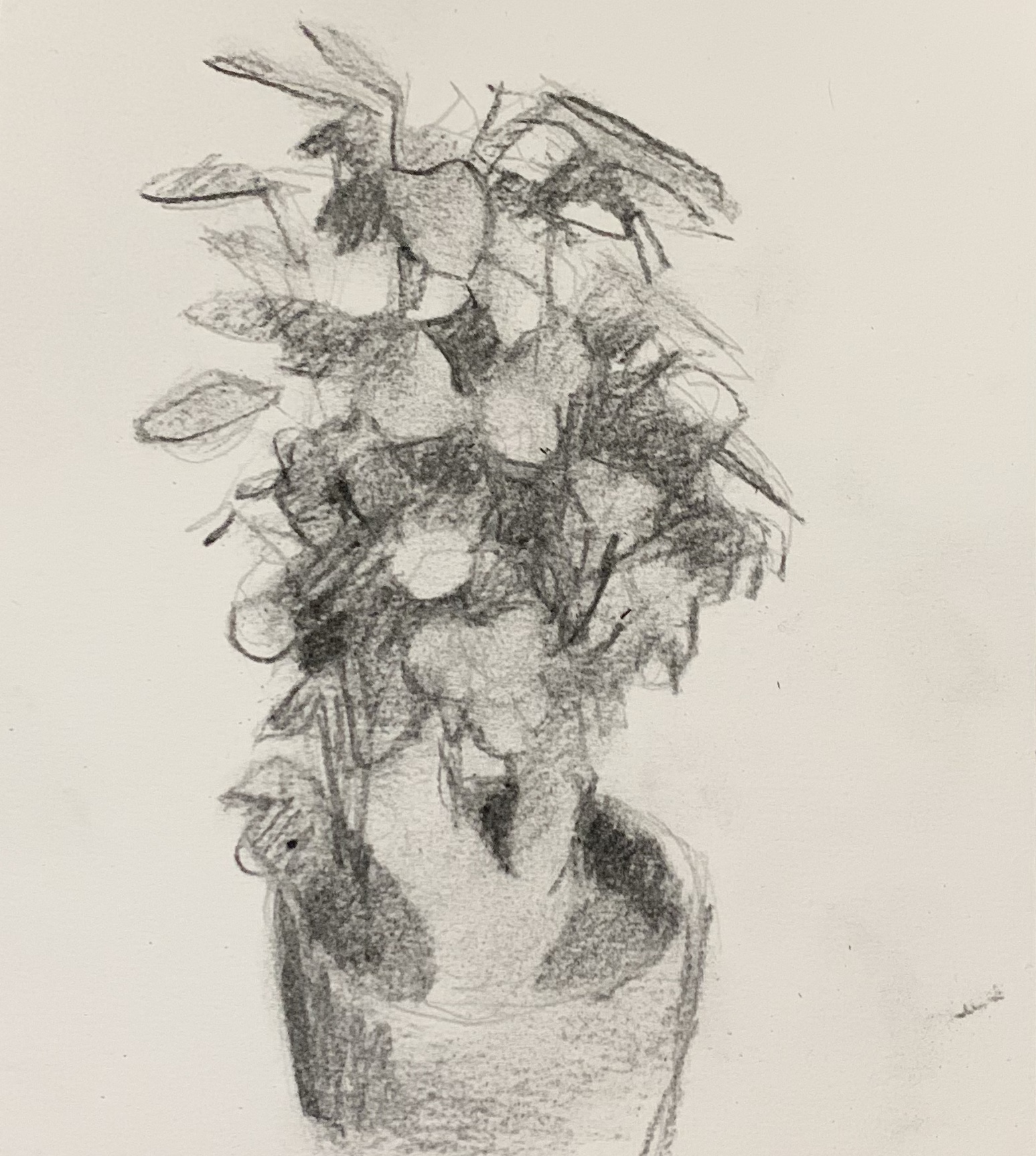
Here are two drawings of the same plant from different views:

public.jpeg

The paper on the left is hand made in Montreal by St. Arnaud. It has a rough cold pressed texture and is slightly warm in tint.

The paper on the right is a 90lb hot pressed machine made paper, in a Pentalic sketchbook, and has a slightly cool tint.

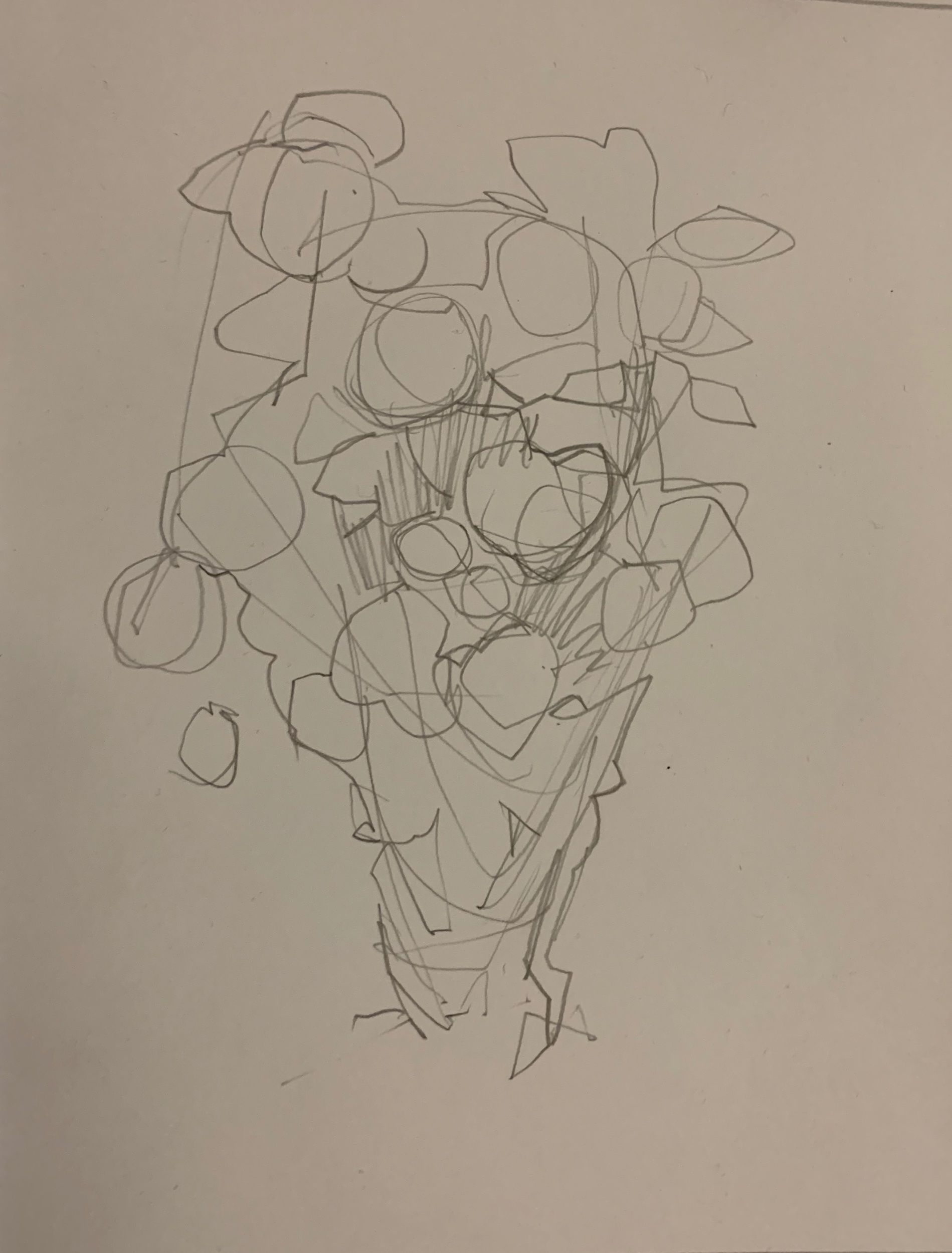
Below are a series of photos taken of both drawings at throughout the process. Go through and compare them.

I would even suggest making a list of the attributes and faults you find with each image

Now,

Of the attributes and faults how many can be attributed to:

  1. The materials used

  2. The overall drawing


A successful image is not created with

the materials we use

but with

how we use them

If we are hung up during the process of creation on materials our mind will be occupied on superfluous

details

In the case of these drawings our time should be spent on the shape, edge, and value design of the

image


The one quality in a material that is rarely given any weight to is in its amount of forgiveness.

Does it allow for mistakes?

In the final two images I have erased the pot that the plant sits in

you be the judge on which is more forgiving


There are so many factors at play when deciding what materials to use

So in reality there is no right answer on which materials will allow you to create great art. It really depends on what your goals are. Whether it is a painting in the Museum of Modern Art, or gaining skill with gesture drawing people in a cafe. Every decision will inform the next and help you to discover the material that will best support your aims.


All that being said it is important to allow yourself time for media exploration.

so if that is what you are spending time on

let go of the

final image

and

explore


Trust your Instincts

I have had materials lay dormant in my art kit only to be used years later


Let your skills be the ones that stay awake


The Hidden Life of Trees: Photography in Painting

Photography in drawing and painting can be a polarizing issue

an incredibly valuable tool

the danger lies in:

the tool shaping your work

verses

you shaping the work with the tool


I am not condemning the partial, or even full use, of photos to create

When it comes to final image construction there should only be one rule

ANY MEANS POSSIBLE


What I am discussing is visual knowledge and understanding

From what library does a person pull information from to form. opinions, ideas, theories, and motivations?

The world of symbols

OR

the world?


Human engineered technology has a unique characteristic

that which was made to help

also

has the capacity to bind

take for example these three images:

Portrait comparison.jpg

outside of opinion

What can be said about them?

  1. they are images viewed on a screen

  2. the subject is of yours truly

  3. they are all symbolic representations of reality

The difference between them lies in the

complexity and design

of the

SYMBOLS

not

in their perceived level of

reality


Images are always communicating information

As visual artists we work in the deliberate transmission of information


Understanding the mechanics of complex symbol construction

aka

making an image look real

is a noble pursuit

but it is

not

an ARTISTIC pursuit


Complex symbol construction

does not equal

Artistic skill


Once we identify what we are looking at

we stop studying it.

we would never get through our day

lost in wonder and the

infinite beauty

of the

universe

we only stop to truly

SEE

something if we believe it holds an inherent value to us.


PHOTOGRAPHY

PRESENTS

only a finite amount of information

in its replication of reality


When we set out to

PAINT or DRAW

we are asking questions

whether we know it or not


Asking questions from a

PHOTOGRAPH

WILL LEAVE YOU

APART

from the world you are studying


Asking questions from

LIFE

WILL LEAVE YOU

A

PART

OF THIS WORLD


The world, life, and we are in

flux

valuable information is packed in the milliseconds of

movement

If we actively wish to study or represent something that is constantly

changing

when operating from a place that is

stagnate

so

The question becomes:


WHAT INFORMATION ARE WE MISSING?

How much more do we register visually at a subconscious level? What role do the other senses play in a drawing or painting? Run the tests, collect the data…let me know

Instruction vs. Teaching

Instruction vs. Teaching

the Art of Improvement

Teaching: the learning that happens internally through thoughtful and dedicated study

Instruction: the externally provided techniques to arrive at the teaching

Why is it important to differentiate the two?

it is difficult to gain the skills needed to paint and draw, regardless of whether or not it is representational or non-representational. The difficulty lies not in the actual technical application, but in the mystery that surrounds SKILL in the first place

Artistic Skill in painting and drawing

is the ability to voice a visual statement

so really it comes down to two things

  1. How big is your visual vocabulary

  2. How well are you using it?

    Our concern when learning should never be about acquiring step by step method i.e. How to paint a rose. These are all paths that have been taken before by other artists.

The difference can be easily understood in the analogy of

learning another language

there are two ways to approach it:

  1. learn predetermined key phrases (Hello, How are you? Where is the Restroom? etc.)

  2. learn the sentence structure and lexicon (verbs, nouns, adjectives, etc.)

    the first example is similar to learning a method

    which is great for the quick fix but hard to apply individuality

    The second example is the journey of an artist

    the ever evolving ability to express your individual voice

everyone has the ability to express themselves!!!

we are constantly and continually doing this

The ART of expression has to do with not only the conscious choice to express a concept or idea, but how clear it comes across to the viewer

Learning is honing the already inherent tools that we posses

sharpening the blade

Someone can show you the technique for making the knife sharper

It is up to you to sharpen

The Value of Value

Value

the regard that something is held to deserve; the importance, worth, or usefulness of something


Every waking moment as humans we are constantly making choices based on the importance of what it is we see

Looking out into the world we are taking the vast amount of data,

that is light reflecting off of atoms,

and stripping away all we deem

unimportant

until we are left with something of

VALUE


Value+Flowers.jpg

we are forever fluctuating between things we VALUE

When you are hungry

food

when you are lonely

companionship

poor

wealth

you

get the idea.

YOU ARE DECIDING WHAT IS OF VALUE

The neat thing about us is that we all have a foundational element of value that acts as a point on the horizon that we navigate our path through this life with.

Helping us find what we desire by locating the things of value.

This “foundational element” gives weight to certain parts of the visual data we receive .

A lion only notices the gazelle when it is hungry

An alcoholic only notices alcohol when they are thirsty


Hunger can be satiated where as the thirst is never quenched


Now…


How does this relate to using value when drawing and painting?

the choices we make when looking at the world are done in the subconscious. We are always scanning, eliminating, and acting upon the visual information we receive.

Since our birth we have built up a library of what repels and attracts us

When we are compelled to draw or paint from life it is the underlying

ABSTRACT SHAPES OF VALUE

that we are reacting to

Value Carpet.jpg


Drawing/painting the world of objects and subjects is the hunger

Drawing/painting the world of abstract shapes is the thirst


The reason such WEIGHT is given to value studies from life is that

THE ABSTRACT SHAPES

of

Light and Dark

ARE

SPEAKING DIRECTLY TO THE VIEWER’S SUBCONSCIOUS

Before Judgement

EFFECTING A PERSON AT A DEEP AND VISCERAL LEVEL

As Artist’s we must change the Mechanism of Vision from a sub-conscious act to a conscious one

CHOOSING CONSCIOUSLY WHAT WE WISH TO PRESENT TO THE

VIEWER


Creating a realistic black and white image

THAT LOOKS LIKE SOMETHING

IS

the byproduct

of

SEEING

THE ABSTRACT SHAPES

CORRECTLY


Being able to take a three dimensional world and

process all of that information down into a simple

black and white two dimensional statement is true

UNDERSTANDING

IT IS

the beginnings of a visual language

that

COMMUNICATES DIRECTLY

with the

VIEWER

EVERYTHING else is just refining patterns and symbols

Value+Gordon.jpg

Once you have a visual language


COMMUNICATING

your

ARTISTIC VISION

BECOMES POSSIBLE


the greater your understanding of the mechanics of vision

THE CLEARER YOUR VOICE


 unless you put the time in on the first stage, developing your visual language, you will be handcuffed by symbolism, representation, and the world of objects


Step 1: Observe the world that compels you

Step 2: Study the abstract shapes of value

Step 3: Apply them to the picture plane


OBSERVE STUDY APPLY


Quantifying Art

NFTF+2+close+up.jpg

QUANTIFY

To measure the quantity of


The bridge between any artistic pursuit, and deciding upon its value , is invariably built upon something that can be measured.

  • technical skill

  • comparative value

  • monetary worth

  • time

  • effort

  • viewer reaction

  • internal reaction


Are any of these familiar to you?


Frustration arises when we start to look at our own artistic journey. Filled with ups and downs, stops and starts, twists and turns. Progression along the artistic path is almost always a non-linear one.

The issue with quantifying that journey is:

Any measurement of progression is ascribed a level, whether we are conscious of it or not.

The paintings, your efforts. or any perceived value, stand upon a podium in their respective medal place


THE LEVEL

is entirely based upon comparative analysis

(this is better or worse than that)


Okay, its honest introspection time

Think about the last time you were frustrated with your artistic output. It doesn’t have to be a particular piece of work, the frustration could be from your lack of time spent engaged in art, or even an external comment


Why were you frustrated?


hiding behind the frustration and anger of actual reasons:

This painting sucks, I can’t draw hands, my paints are cheap, I have no time

is a

measurement

where you should be, what it looks like, how long it takes, how much it sells for

A.K.A.

COMPARISON


We live in a world of comparison, it is how we have made it this long and the true magic that we as humans perform everyday. Through comparison we have taken the immense amount of visual data that is light reflecting off of atoms and gleaned it down to a world of objects and subjects.

We need comparison


So how do we escape the frustrating buzz kill of comparison in reference to our Artistic journey?

We don’t

Use the tool do not let the tool use you.


Using the tool:

make comparison work on something it loves. Incremental movements. Precise. Ordered


Set up a time ( with an alarm on your phone) whether that be 5 minutes before you get in the shower or three hours every night after dinner, that you will commit to everyday, no matter what life throws at you.

Spend that time focused on a pursuit free from expectations.

I have found that studies, whether contour, gesture, value, or colour, work the best.

Every day, or week or month, actively compare these studies. Be ruthless with them. If they suck, they suck. If awesome, than awesome.

What ends up happening is that the part of our selves that loves to compare has an outlet. We are honing the tool to work for us…

Freeing up time and Energy To be used exploring